
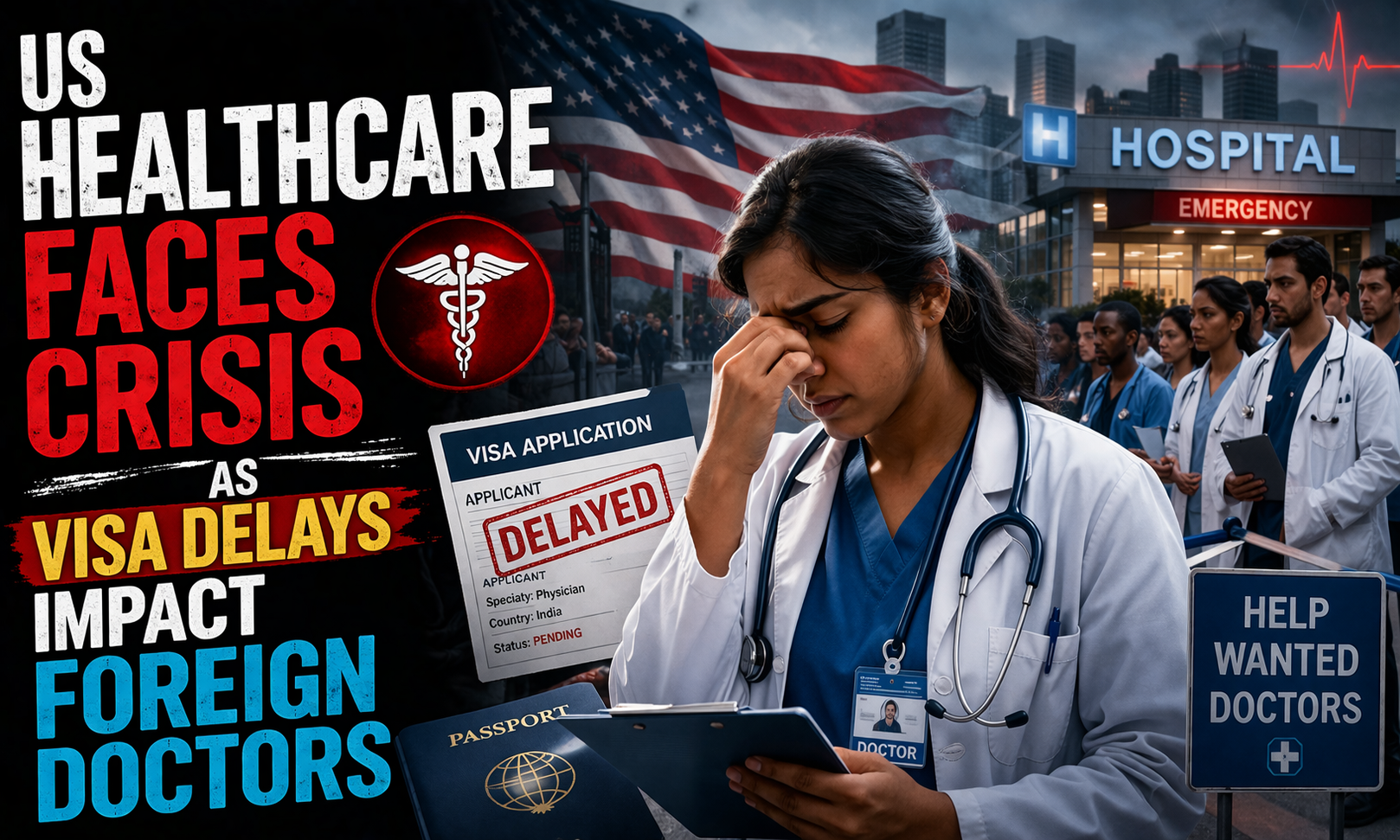
A Growing Crisis in the US Healthcare System
The United States healthcare system is facing a mounting challenge as delays in extending visas for foreign doctors begin to disrupt medical services across the country. Hospitals, clinics, and rural healthcare centers are increasingly feeling the strain, raising concerns about patient care, staffing shortages, and long-term sustainability.
Foreign-trained physicians have long played a crucial role in filling workforce gaps, particularly in underserved areas. However, administrative delays and policy uncertainties are now putting this vital support system at risk.
Why Foreign Doctors Are Essential to US Healthcare
Filling Critical Workforce Gaps
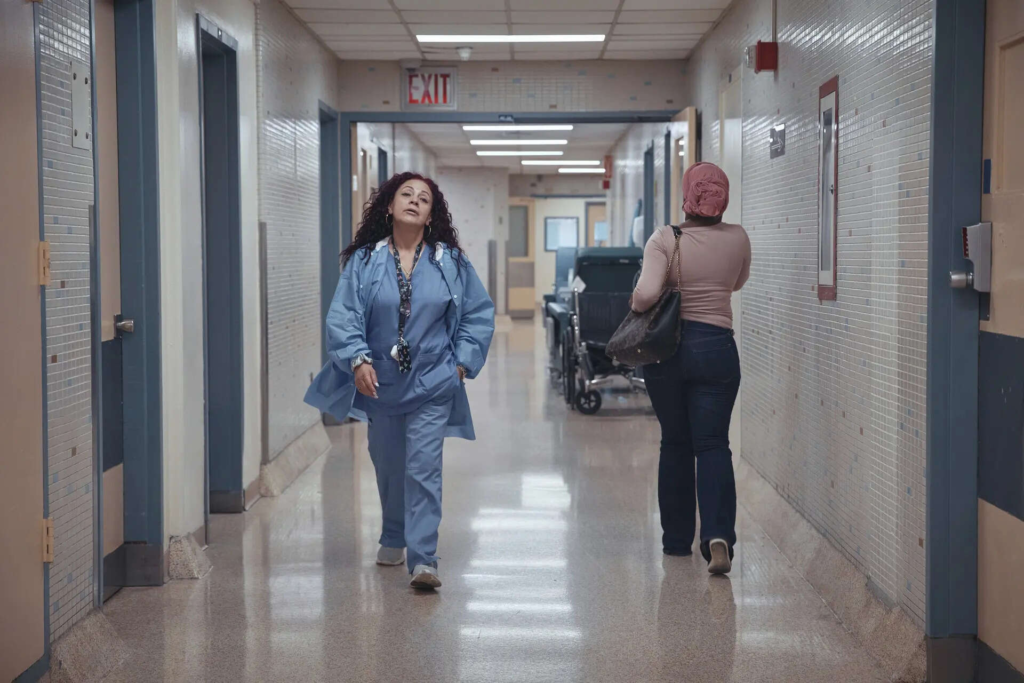
The United States has faced a shortage of healthcare professionals for years. Foreign doctors help bridge this gap, especially in specialties like internal medicine, family practice, and psychiatry.
Serving Underserved Communities
Many international physicians work in rural and underserved urban areas where recruiting local doctors is often difficult. Their presence ensures that millions of patients have access to essential healthcare services.
Enhancing Diversity and Expertise
Foreign doctors bring diverse perspectives, cultural understanding, and specialized skills that enrich the healthcare system.
Understanding the Visa System for Foreign Doctors
Common Visa Types
Foreign doctors in the United States typically work under visa programs such as:
- J-1 Exchange Visitor Visa
- H-1B Specialty Occupation Visa
Renewal and Extension Process
These visas require periodic renewal or extension, involving multiple steps and approvals from immigration authorities.
Where Delays Occur
Administrative backlogs, policy changes, and increased scrutiny have contributed to delays in processing visa extensions.
The Impact of Visa Delays on Healthcare Services
Staffing Shortages
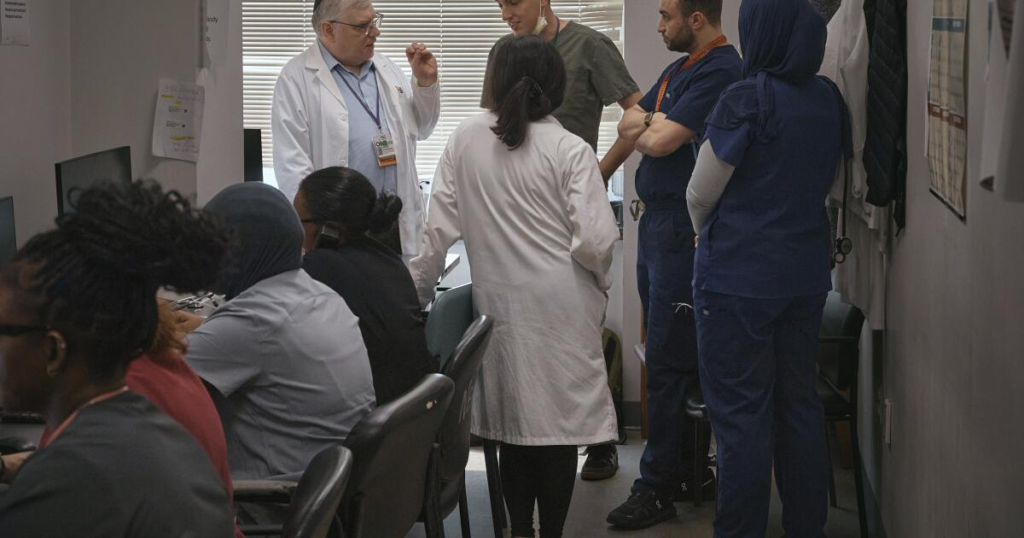
Hospitals are experiencing sudden gaps in staffing when doctors are unable to continue working due to expired or delayed visas.
Disrupted Patient Care
Patients may face:
- Longer wait times
- Rescheduled appointments
- Reduced access to specialized care
Increased Workload on Existing Staff
Remaining healthcare workers are often forced to take on additional responsibilities, leading to burnout and reduced efficiency.
Rural and Underserved Areas Hit the Hardest
Dependence on Foreign Physicians
Rural communities in the United States rely heavily on international doctors, making them particularly vulnerable to visa-related disruptions.
Limited Alternatives
Recruiting replacement doctors in these areas is challenging, exacerbating the impact of visa delays.
Personal Stories: Doctors Caught in Limbo
Uncertainty and Stress
Many foreign doctors face uncertainty about their ability to continue working, affecting both their professional and personal lives.
Impact on Families
Visa issues can also impact family members, adding to the emotional and financial strain.
Commitment to Patient Care
Despite these challenges, many doctors remain committed to serving their patients and communities.
Administrative Challenges Behind the Delays

Processing Backlogs
Immigration systems are dealing with significant backlogs, slowing down visa approvals.
Policy Changes
Frequent changes in immigration policies can create confusion and delays.
Documentation Requirements
Complex documentation and verification processes add to the timeline.
Healthcare Institutions Struggle to Adapt
Emergency Measures
Hospitals are implementing temporary solutions, such as:
- Hiring locum tenens (temporary doctors)
- Redistributing workloads among staff
Financial Impact
Staff shortages can lead to increased operational costs and reduced efficiency.
Broader Economic and Social Implications
Public Health Concerns
Reduced access to healthcare can have long-term consequences for public health.
Economic Impact
Healthcare disruptions can affect productivity and increase costs for patients and providers.
Calls for Policy Reform
Streamlining Visa Processes
Experts are calling for more efficient and transparent visa processing systems.
Expanding Workforce Programs
Programs that support foreign doctors could be expanded to address shortages.
Collaboration Between Agencies
Improved coordination between healthcare and immigration authorities is essential.
Expert Opinions on the Crisis
Healthcare Leaders
Many healthcare leaders emphasize the importance of foreign doctors in maintaining system stability.
Policy Analysts
Experts suggest that addressing visa delays is critical to preventing further disruptions.
Potential Solutions Moving Forward
Digital Processing Systems
Implementing advanced technology could speed up visa processing.
Temporary Extensions
Providing automatic extensions during delays could help maintain workforce continuity.
Incentives for Domestic Training
Encouraging more local students to pursue medical careers could reduce reliance on foreign doctors in the long term.
Comparing Global Healthcare Systems
International Approaches
Other countries also rely on foreign-trained doctors but often have more streamlined immigration processes.
Lessons for the United States
Adopting best practices from other nations could improve efficiency and stability.
The Future of Healthcare Workforce in the US
Growing Demand
An aging population and increasing healthcare needs will continue to drive demand for medical professionals.
Role of Foreign Doctors
International physicians will likely remain a key component of the workforce.
What Patients Need to Know
Possible Delays
Patients may experience longer wait times or changes in care providers.
Staying Informed
Keeping in touch with healthcare providers can help manage expectations.
Conclusion: A System Under Pressure
The challenges facing the United States healthcare system due to visa delays for foreign doctors highlight a critical issue that demands immediate attention.
As hospitals and communities grapple with staffing shortages and disrupted services, the need for effective solutions becomes increasingly urgent. Addressing administrative delays, improving policy frameworks, and recognizing the essential role of foreign doctors are key steps toward ensuring a stable and resilient healthcare system.
In a time when access to quality healthcare is more important than ever, resolving these issues is not just a policy matter—it is a necessity for the well-being of millions.
FAQs
Why are there problems in the United States healthcare sector?
The issues are largely due to delays in extending visas for foreign doctors, which are causing staffing shortages and disrupting healthcare services.
Why are foreign doctors important to the US healthcare system?
Foreign doctors help fill critical workforce gaps, especially in rural and underserved areas, and contribute to maintaining access to medical care.
Which areas are most affected by these delays?
Rural and underserved regions are the most impacted because they rely heavily on foreign-trained physicians.
What challenges do foreign doctors face due to visa delays?
Doctors may experience uncertainty about their employment status, financial stress, and disruptions to their personal and family lives.