
A Dramatic Escalation in Global Tensions
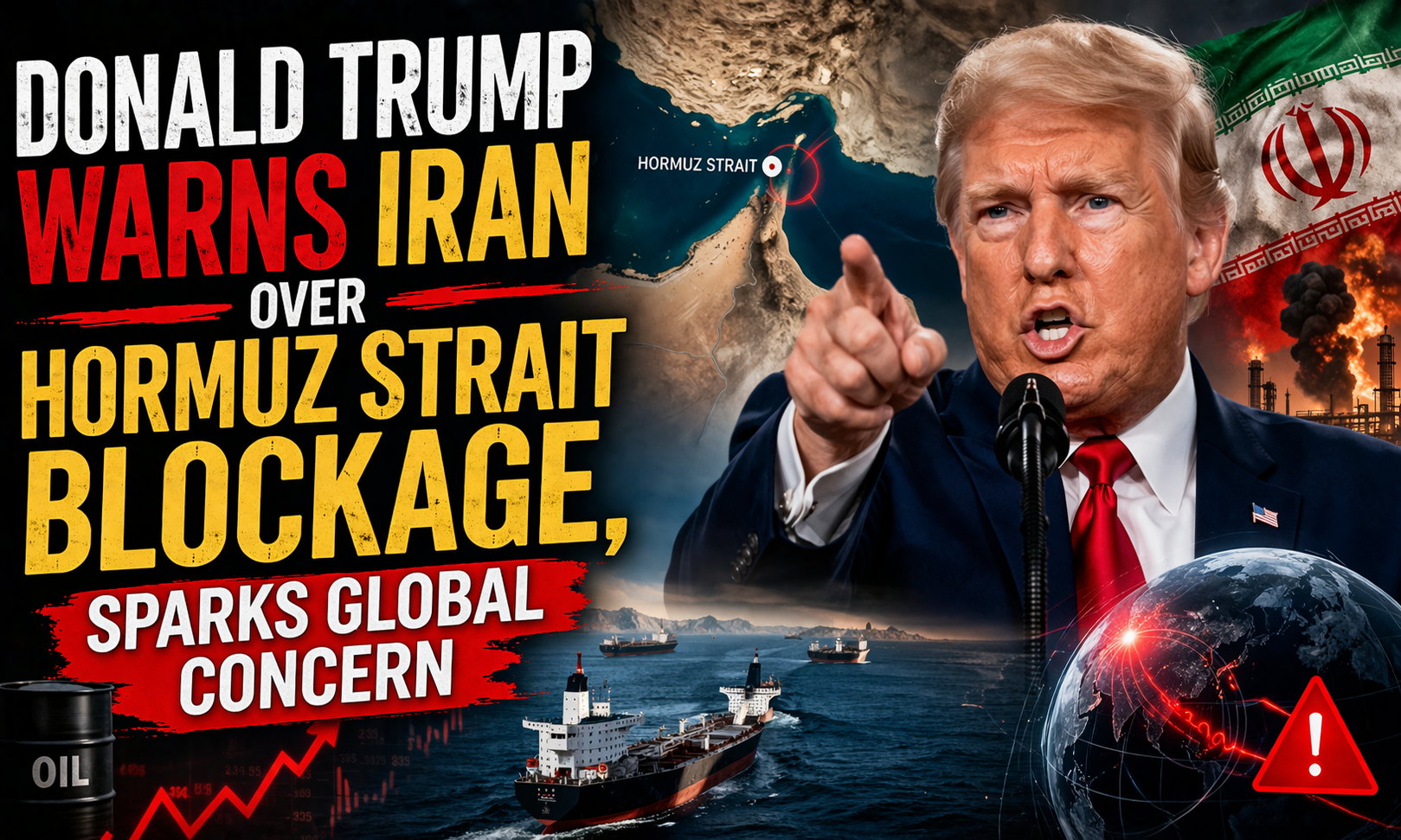
Tensions in the Middle East have reached a new peak after Donald Trump issued a highly controversial, expletive-laden warning to Iran over the ongoing blockage of the Strait of Hormuz.
The remarks, made via social media, have triggered global concern, political backlash, and renewed fears of further escalation in an already volatile conflict. With the Strait of Hormuz being one of the world’s most critical oil transit routes, the situation carries far-reaching implications for global energy markets and international security.
What Happened: Breaking Down the Threat
Recent reports confirm that Donald Trump issued a stark ultimatum demanding that Iran reopen the Strait of Hormuz or face severe military consequences. His statement included unusually aggressive and explicit language, marking a significant escalation in tone. (New York Post)
Trump reportedly warned of potential strikes targeting Iran’s infrastructure, including power plants and bridges, if the waterway remained blocked. (The Guardian)
Why the Strait of Hormuz Matters
A Lifeline for Global Energy
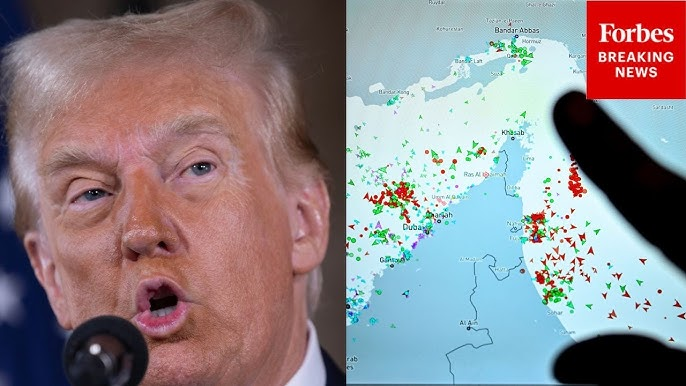
The Strait of Hormuz is one of the most important shipping routes in the world.
- Roughly 20% of global oil supply passes through it
- It connects the Persian Gulf to international markets
- Any disruption impacts fuel prices worldwide
Economic Ripple Effects
The blockage has already caused:
- Rising oil prices
- Increased transportation costs
- Market instability
Background: Rising US-Iran Tensions
A Conflict Months in the Making
The current crisis is part of a broader escalation between the United States and Iran, including military actions and retaliatory strikes.
Iran has restricted access to the Strait of Hormuz in response to ongoing attacks, using it as a strategic pressure point. (The Washington Post)
Strategic Leverage
Control over the strait gives Iran significant influence over global energy supply, making it a central issue in the conflict.
Trump’s Language: Why It Sparked Controversy
Unusual Tone from a President
The use of explicit and aggressive language in official communication is rare for a U.S. president. Trump’s remarks stood out for their intensity and directness.
Political Backlash
The response from political leaders was swift and critical:
- Some lawmakers described the comments as reckless
- Others questioned the potential consequences of such rhetoric
- Concerns were raised about escalating tensions further
Iran’s Response
Strong Condemnation
Iranian officials condemned the threats, warning that any attack on infrastructure would provoke severe retaliation.
Counter-Threats
Iran has indicated it could:
- Expand regional attacks
- Target energy infrastructure in allied nations
- Maintain or intensify the blockade
(Reuters)
Military Implications
Potential Targets
Trump’s warning included references to:
- Power plants
- Transportation infrastructure
Experts caution that such actions could significantly escalate the conflict.
Risk of Wider War
The situation raises concerns about:
- Regional escalation
- Involvement of additional countries
- Long-term instability in the Middle East
Legal and Ethical Concerns
International Law Questions
Legal experts have warned that targeting civilian infrastructure could violate international law.
- Civilian facilities are protected under global conventions
- Indiscriminate attacks may be considered war crimes
Global Reactions
Allies and Critics
Countries around the world have reacted with concern:
- Calls for restraint and diplomacy
- Warnings about economic fallout
- Appeals for de-escalation
Impact on Global Markets
The uncertainty has already affected:
- Oil markets
- Stock exchanges
- Currency stability
The Role of Social Media in Modern Diplomacy
Direct Communication
Donald Trump has frequently used social media to communicate directly with the public and foreign governments.
Risks of Instant Messaging
While this approach allows for immediate communication, it also:
- Increases the risk of misinterpretation
- Escalates tensions quickly
- Reduces diplomatic nuance
Could Diplomacy Still Work?
Signs of Negotiation
Despite the aggressive rhetoric, reports suggest that diplomatic efforts may still be underway.
- Potential ceasefire discussions
- Back-channel negotiations
- International mediation efforts
(Reuters)
Challenges Ahead
However, rebuilding trust will be difficult given the current tone and actions.
Impact on Everyday People
Rising Fuel Costs
Consumers worldwide may face higher fuel prices due to disrupted oil supply.
Economic Uncertainty
Businesses and economies could experience instability if the situation worsens.
Safety Concerns
People in the region face immediate risks from ongoing conflict.
Historical Context: The Strait of Hormuz in Conflict
The Strait of Hormuz has long been a flashpoint in global geopolitics.
Past Incidents
- Tanker attacks
- Military standoffs
- Threats of closure
Strategic Importance
Its role as a global energy corridor makes it a recurring focal point in international disputes.
What Happens Next?
Possible Scenarios
- De-escalation through diplomacy
- Limited military strikes
- Full-scale regional conflict
Key Factors to Watch
- Iran’s actions regarding the strait
- U.S. military movements
- International diplomatic efforts
Expert Analysis: A Dangerous Turning Point?
Analysts suggest this moment could be a critical turning point in the conflict.
High Stakes
- Energy security
- Regional stability
- Global economic health
Unpredictable Outcomes
The combination of military action and strong rhetoric creates uncertainty about what comes next.
Conclusion: A Crisis with Global Consequences
The expletive-laden threat issued by Donald Trump toward Iran over the Strait of Hormuz highlights the fragile state of international relations.
While the situation remains fluid, the stakes are undeniably high. The coming days will be critical in determining whether diplomacy can prevail or whether the conflict will escalate further.
For now, the world watches closely as one of the most important geopolitical flashpoints continues to unfold.
FAQs
What did Donald Trump say about Iran?
Donald Trump issued a strong and controversial warning to Iran, demanding the reopening of the Strait of Hormuz and threatening serious consequences if it remained blocked.
Why is the Strait of Hormuz important?
The Strait of Hormuz is a critical global shipping route through which a significant portion of the world’s oil supply passes, making it vital for global energy markets.
Why is Iran blocking the Strait of Hormuz?
Iran has used the strait as a strategic leverage point in response to rising tensions and conflicts with the United States and its allies.
How has the international community reacted?
Many countries and global leaders have expressed concern and called for de-escalation, warning about the risks of a broader conflict and economic disruption.