
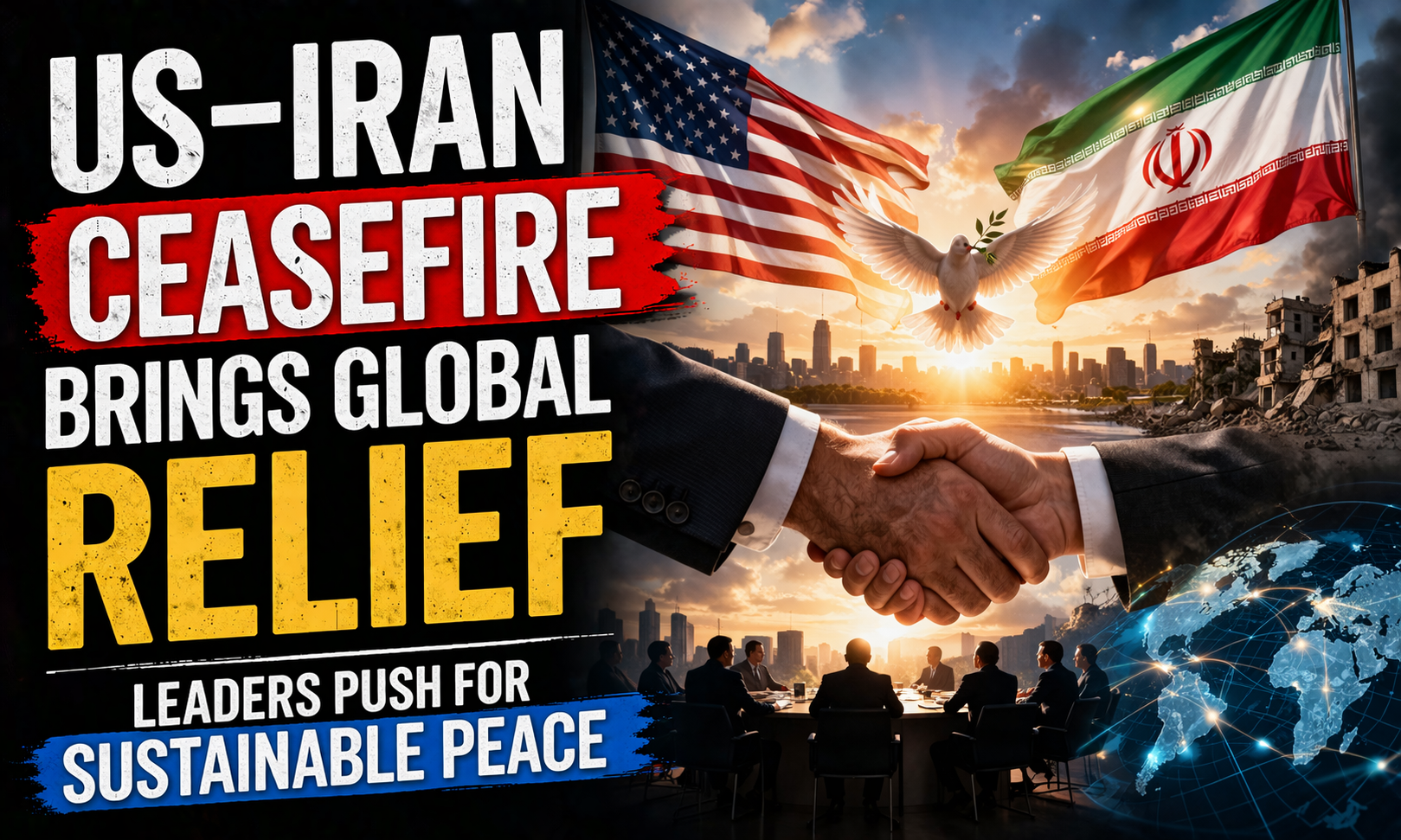
The recent ceasefire between the United States and Iran has sparked cautious optimism across the globe. After weeks of escalating tensions and fears of a broader regional war, this diplomatic breakthrough has opened a narrow but critical window for peace in the Middle East. Governments, international organizations, and global citizens alike are now urging both nations to move beyond a temporary truce and work toward a sustainable, long-term resolution.
In this comprehensive article, we explore the significance of the US–Iran ceasefire, global reactions, its geopolitical and economic implications, and the challenges that lie ahead in achieving lasting peace in the Middle East.
Understanding the US–Iran Ceasefire
The ceasefire agreement between the United States and Iran is currently a temporary two-week truce, aimed at halting immediate hostilities and creating space for diplomatic negotiations. (The Guardian)
This agreement came at a crucial moment, just hours before a potential large-scale military escalation. The deal includes key conditions such as:
- Suspension of military operations by both sides
- Reopening of the strategically vital Strait of Hormuz
- Initiation of diplomatic talks mediated by regional actors
The ceasefire is not a permanent solution but rather a confidence-building measure designed to prevent further escalation and pave the way for negotiations.
Why the Ceasefire Matters Globally
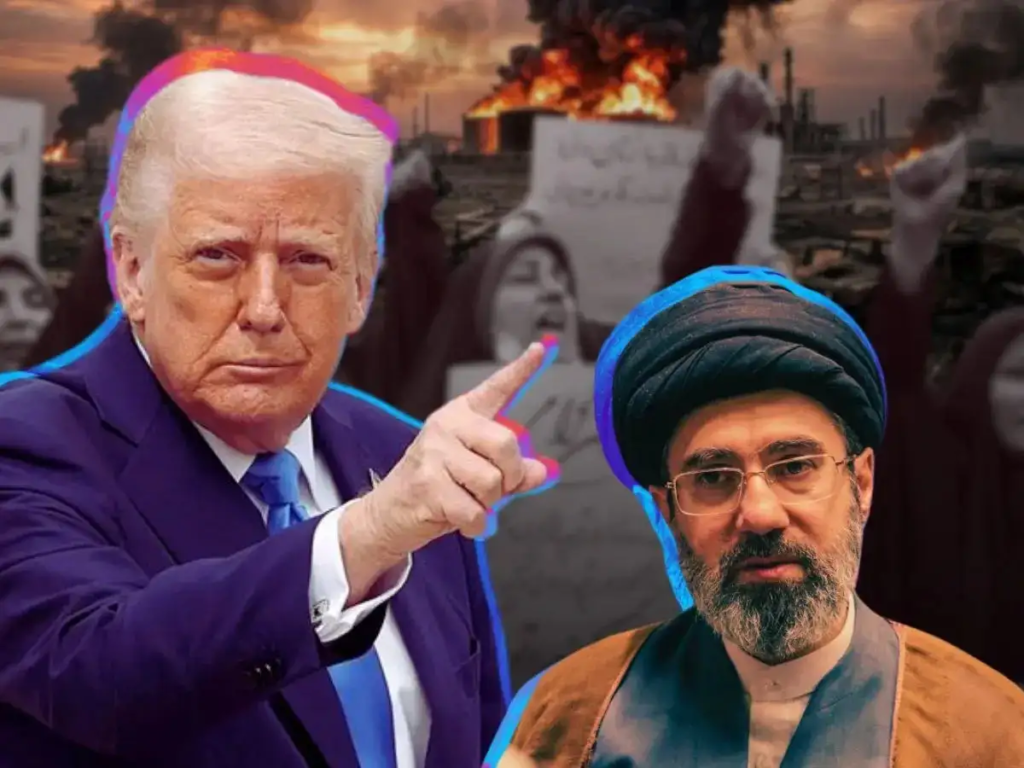
1. Preventing a Wider Regional War
The Middle East has long been a geopolitical hotspot, and any conflict involving the US and Iran risks drawing in multiple countries. The ceasefire helps prevent a domino effect that could destabilize the entire region.
2. Securing Global Energy Supplies
The Strait of Hormuz is one of the world’s most critical oil transit routes. Its reopening under the ceasefire has immediate global implications, stabilizing oil markets and reducing economic uncertainty. (The Economic Times)
3. Restoring Diplomatic Channels
After years of strained relations, the ceasefire signals a return to diplomacy. It creates an opportunity for dialogue, which is essential for resolving deep-rooted issues such as nuclear policy and regional security.
Global Reactions to the Ceasefire
International Community Welcomes the Move
World leaders and international organizations have broadly welcomed the ceasefire, viewing it as a step in the right direction. Many have emphasized the importance of turning this temporary truce into a lasting peace agreement.
Countries like Pakistan played a key role in mediating the agreement, highlighting the importance of regional diplomacy in conflict resolution. (The Guardian)
Calls for Sustainable Peace
While the ceasefire has been praised, global leaders have also warned that it is fragile and reversible. There is a strong consensus that:
- Temporary truces are not enough
- Long-term peace requires structural agreements
- Both sides must address core issues, not just symptoms
Key Issues at the Heart of the Conflict
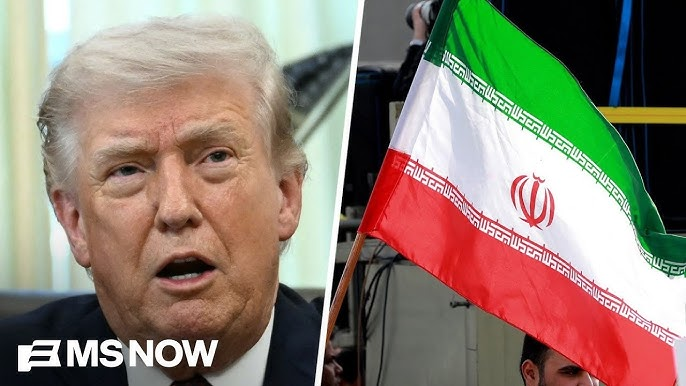
To understand the path forward, it is essential to examine the underlying causes of the US–Iran conflict.
1. Nuclear Program Disputes
One of the primary points of contention is Iran’s nuclear program. The US has long demanded restrictions, while Iran insists on its right to peaceful nuclear development.
2. Sanctions and Economic Pressure
Economic sanctions imposed by the US have severely impacted Iran’s economy. Iran has made it clear that lifting these sanctions is a key condition for any lasting agreement.
3. Regional Influence and Security
Both nations have competing interests in the Middle East, particularly in countries like Iraq, Syria, and Lebanon. These geopolitical rivalries complicate peace efforts.
The Role of the Strait of Hormuz
The Strait of Hormuz has emerged as a central issue in the ceasefire negotiations.
- It is a critical chokepoint for global oil shipments
- Its closure during the conflict caused major disruptions
- Its reopening is a key condition of the ceasefire
The agreement to ensure safe passage through the strait has not only reduced tensions but also boosted global financial markets. (The Economic Times)
Economic Impact of the Ceasefire
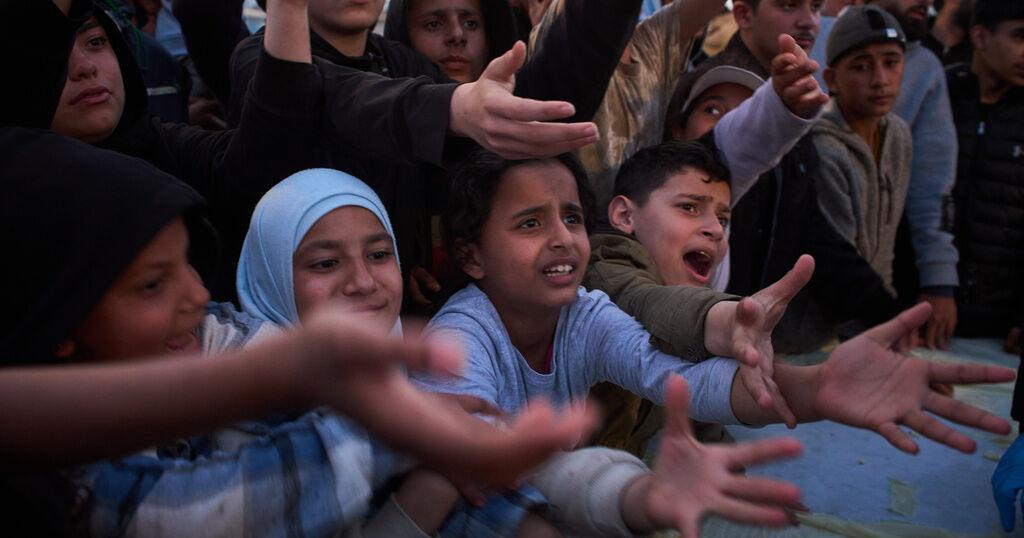
1. Oil Prices Stabilize
Following the ceasefire announcement, oil prices dropped significantly, reflecting reduced fears of supply disruptions.
2. Stock Markets Rally
Global markets responded positively, with increased investor confidence and reduced volatility.
3. Relief for Import-Dependent Countries
Countries like India, which rely heavily on oil imports, stand to benefit from stable energy prices.
Challenges to Achieving Lasting Peace
Despite the optimism, several challenges remain:
1. Temporary Nature of the Ceasefire
The current agreement is limited in duration, making it vulnerable to breakdown.
2. Lack of Trust
Years of hostility have created deep mistrust between the US and Iran, complicating negotiations.
3. Conflicting Demands
Iran has called for guarantees against future attacks and compensation for damages, while the US has its own set of demands. (Reuters)
4. Continued Military Activity
Reports indicate that some military actions continued even after the ceasefire announcement, highlighting the fragility of the situation. (The Guardian)
The Role of Mediators in Peace Talks
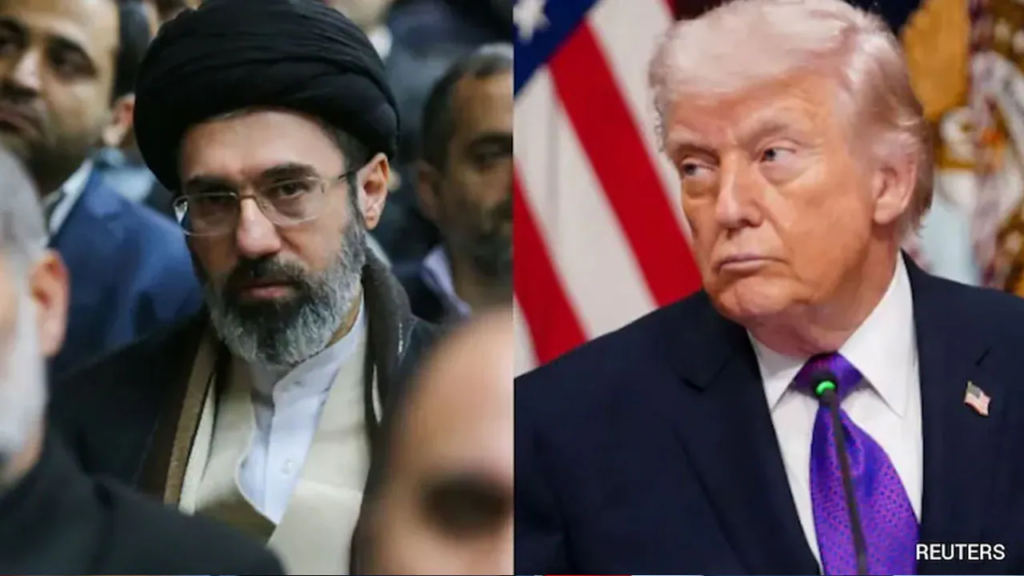
Regional and international mediators are playing a crucial role in facilitating dialogue.
Key Mediators Include:
- Pakistan
- Turkey
- Egypt
These countries are helping bridge the gap between the US and Iran, providing neutral platforms for negotiations.
Pathways to a Lasting Peace Agreement
For the ceasefire to evolve into a permanent peace, several steps are necessary:
1. Extended Ceasefire Period
Proposals for a 45-day ceasefire aim to provide more time for negotiations and confidence-building.
2. Comprehensive Peace Framework
A long-term agreement must address:
- Nuclear issues
- Economic sanctions
- Regional security concerns
3. Confidence-Building Measures
Both sides need to take steps to rebuild trust, such as:
- Reducing military presence
- Ensuring transparency in negotiations
The Middle East at a Crossroads
The ceasefire represents a pivotal moment for the Middle East. It offers a rare opportunity to shift from conflict to cooperation.
However, the region remains volatile, and the path to peace is uncertain. The decisions made in the coming weeks will determine whether this ceasefire becomes:
- A turning point toward stability
or - A brief pause before renewed conflict
What the World Expects Next
The global community is watching closely and expects:
- Continued dialogue between the US and Iran
- Concrete steps toward a permanent agreement
- Respect for the terms of the ceasefire
There is also growing pressure on both nations to prioritize diplomacy over military action.
Conclusion: A Fragile Hope for Peace
The US–Iran ceasefire has brought a sense of relief to a world on edge. It has prevented immediate escalation, stabilized global markets, and reopened diplomatic channels.
However, it is only the beginning of a long and complex journey toward lasting peace in the Middle East.
The world welcomes this ceasefire—but it also demands more. True peace will require courage, compromise, and a commitment to resolving deep-rooted conflicts.
As negotiations continue, one thing is clear: the stakes are high, and the outcome will shape the future of the Middle East—and the world—for years to come.
FAQs
What is the US–Iran ceasefire?
The US–Iran ceasefire is a temporary agreement between the United States and Iran to halt military actions and reduce escalating tensions. It is designed to create an opportunity for diplomatic negotiations and prevent further conflict in the Middle East.
Is the ceasefire permanent?
No, the current ceasefire is temporary. It serves as a short-term measure to stop hostilities while both sides explore possibilities for a long-term agreement.
How does the ceasefire affect global oil prices?
The ceasefire has helped stabilize oil prices by ensuring that key shipping routes, especially the Strait of Hormuz, remain open. This reduces fears of supply disruptions and supports global economic stability.
What role does the Strait of Hormuz play in the ceasefire?
The Strait of Hormuz is a vital route for global oil transportation. Its reopening under the ceasefire ensures the smooth flow of oil shipments, which is critical for the global economy.