
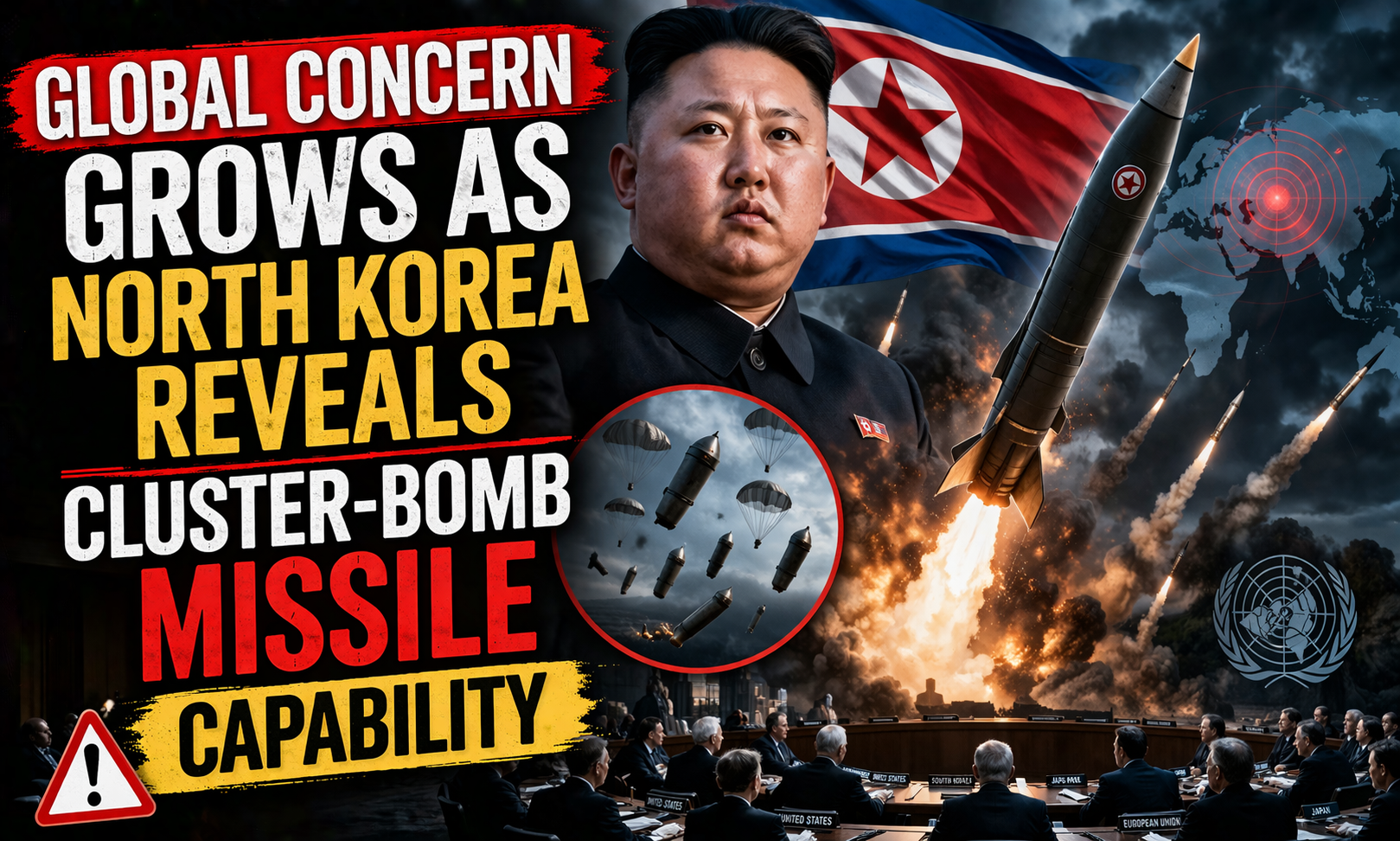
Rising tensions on the Korean Peninsula have once again captured global attention after North Korea announced that its latest missile tests included weapons equipped with cluster-bomb warheads. The development has sparked serious concerns among international leaders, defense analysts, and humanitarian organizations, as it signals a potentially dangerous escalation in military capabilities.
In this comprehensive, SEO-optimized article, we examine North Korea’s latest missile claims, the implications of cluster-bomb warheads, global reactions, and what this could mean for regional and international security.
Understanding North Korea’s Announcement
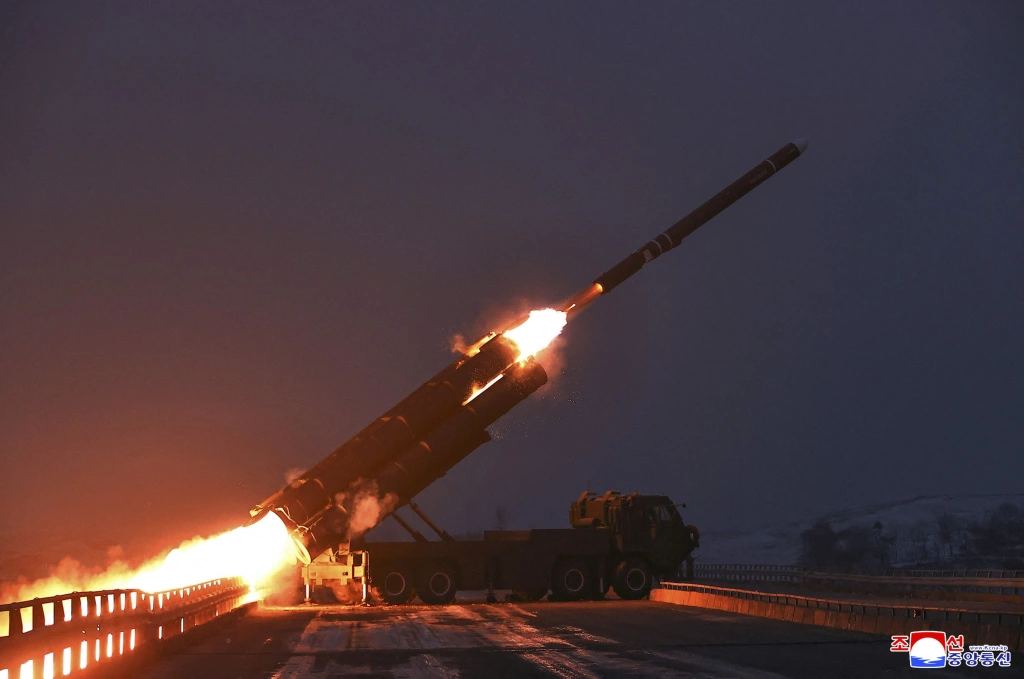
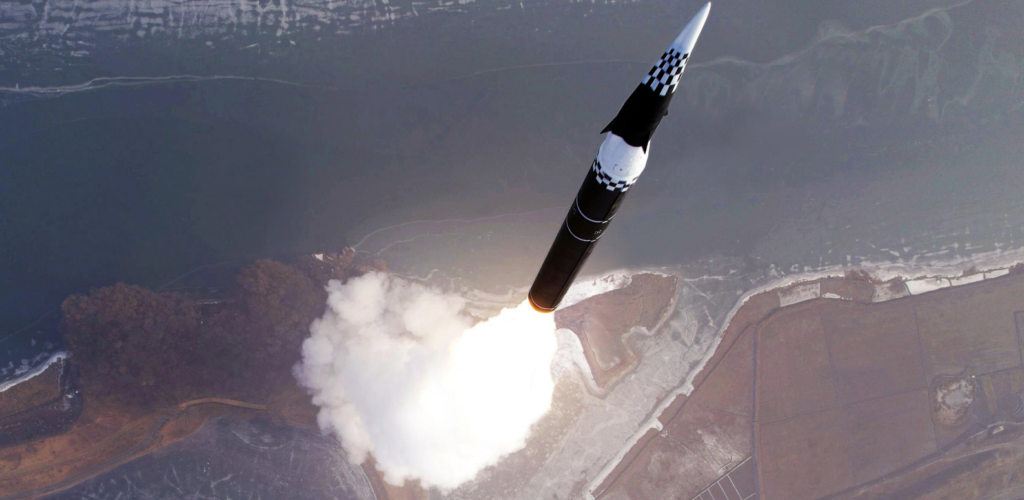
North Korea recently claimed that its newest missile tests featured cluster-bomb warheads, a type of weapon designed to disperse multiple smaller explosives over a wide area.
These tests are part of the country’s ongoing efforts to strengthen its military capabilities and demonstrate its technological advancements.
Key Highlights of the Announcement:
- Missiles reportedly equipped with cluster munitions
- Emphasis on increased strike effectiveness
- Continued focus on military modernization
While independent verification of these claims remains limited, the announcement itself has significant geopolitical implications.
What Are Cluster-Bomb Warheads?
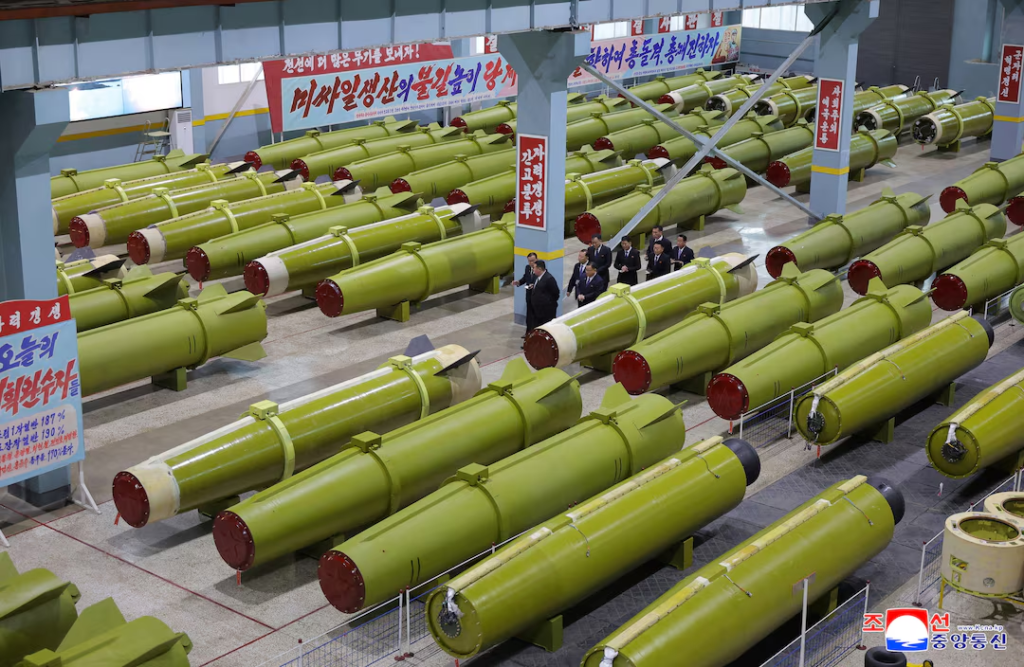
Cluster bombs are controversial weapons that release dozens or even hundreds of smaller submunitions over a wide area.
How They Work:
- A missile or bomb opens mid-air
- It disperses multiple smaller explosives
- These submunitions spread across a large target zone
Why They Are Controversial:
- High risk of civilian casualties
- Unexploded bomblets can remain dangerous for years
- Widespread international criticism and restrictions
Their potential use in missiles raises concerns about both military and humanitarian consequences.
Why This Development Is Concerning
1. Increased Destructive Capability
By equipping missiles with cluster warheads, North Korea could significantly enhance its ability to target large areas, including military bases and infrastructure.
2. Greater Risk to Civilians
Cluster munitions are often criticized because they cannot precisely distinguish between military and civilian targets, increasing the risk of unintended casualties.
3. Escalation of Regional Tensions
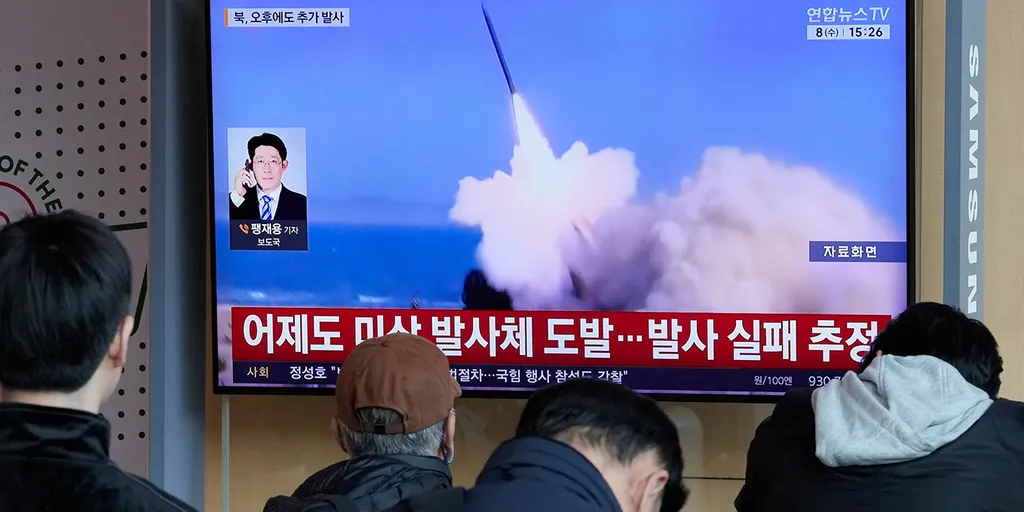
This announcement is likely to heighten tensions with neighboring countries, particularly South Korea and Japan, both of which are within range of North Korean missiles.
Global Reactions to North Korea’s Missile Claims
Concern from the International Community
Governments and global organizations have expressed concern over North Korea’s latest claims.
Many leaders view this as a provocative move that could destabilize the region and undermine ongoing diplomatic efforts.
Response from the United States
The United States has reiterated its commitment to regional security and has called for restraint.
Military officials are closely monitoring the situation and assessing the credibility of the claims.
Reactions from Regional Allies
Countries like South Korea and Japan have expressed heightened concern, emphasizing the need for stronger defense measures and international cooperation.
The Legal Status of Cluster Munitions
Cluster munitions are banned under the Convention on Cluster Munitions, an international treaty aimed at prohibiting their use, production, and transfer.
Key Points:
- Over 100 countries have signed the treaty
- It seeks to prevent humanitarian harm
- Not all countries, including some major powers, are signatories
North Korea is not a party to the treaty, which complicates enforcement and accountability.
Military Implications of the Announcement
Enhanced Strike Capabilities
If the claims are accurate, North Korea’s missiles could target broader areas with increased effectiveness.
Strategic Messaging
The announcement may also serve as a form of strategic signaling, demonstrating strength and deterring potential adversaries.
Potential Arms Race
This development could prompt neighboring countries to upgrade their own military capabilities, potentially leading to a regional arms race.
Humanitarian Concerns
Long-Term Impact of Unexploded Ordnance
Cluster munitions often leave behind unexploded submunitions, posing long-term risks to civilians.
Impact on Civilian Populations
Humanitarian organizations warn that the use of such weapons could lead to devastating consequences, particularly in densely populated areas.
Historical Context: North Korea’s Missile Program
North Korea has a long history of developing and testing missile technology.
Key Milestones:
- Development of intercontinental ballistic missiles (ICBMs)
- Multiple high-profile missile tests
- Ongoing advancements in weapons technology
These efforts have been a central focus of international negotiations and sanctions.
Diplomatic Challenges Ahead
Limited Communication Channels
Diplomatic engagement with North Korea remains challenging, making conflict resolution difficult.
Sanctions and Pressure
International sanctions aim to curb North Korea’s weapons program, but their effectiveness is often debated.
Need for Dialogue
Experts emphasize the importance of renewed diplomatic efforts to reduce tensions and prevent escalation.
What This Means for Global Security
The implications of North Korea’s announcement extend far beyond the Korean Peninsula.
Global Risks Include:
- Increased military tensions
- Potential for miscalculation or conflict
- Undermining international arms control efforts
Expert Analysis and Opinions
Security analysts have offered mixed perspectives on the situation.
Some Key Views:
- The announcement may be exaggerated for strategic purposes
- It represents a genuine advancement in military capability
- It highlights the need for stronger international cooperation
Possible Future Scenarios
1. Continued Escalation
Further missile tests and military developments could increase tensions.
2. Diplomatic Engagement
Renewed talks could help de-escalate the situation.
3. Increased Sanctions
The international community may impose additional sanctions in response.
The Role of International Organizations
Organizations like the United Nations play a critical role in addressing such developments.
Key Actions:
- Monitoring and reporting
- Facilitating dialogue
- Enforcing sanctions
Conclusion: A Critical Moment for Global Stability
North Korea’s claim that its latest missiles are equipped with cluster-bomb warheads marks a concerning development in global security.
While the full details remain unclear, the announcement has already triggered widespread चिंता and debate. It underscores the fragile nature of peace in the region and the importance of diplomatic efforts to prevent escalation.
As the world watches closely, the need for cooperation, restraint, and dialogue has never been more urgent.
FAQs
What did North Korea claim about its latest missiles?
North Korea announced that its recent missile tests included warheads equipped with cluster bombs, which are designed to disperse multiple smaller explosives over a wide area.
What are cluster-bomb warheads?
Cluster-bomb warheads are weapons that release numerous smaller submunitions mid-air, spreading them across a large target zone. They are known for their wide-area impact and controversial humanitarian consequences.
Are cluster bombs banned internationally?
Yes, many countries have banned them under the Convention on Cluster Munitions. However, not all nations are part of this treaty.
Is North Korea part of the cluster munitions treaty?
No, North Korea is not a signatory to the treaty, meaning it is not legally bound by its restrictions.