
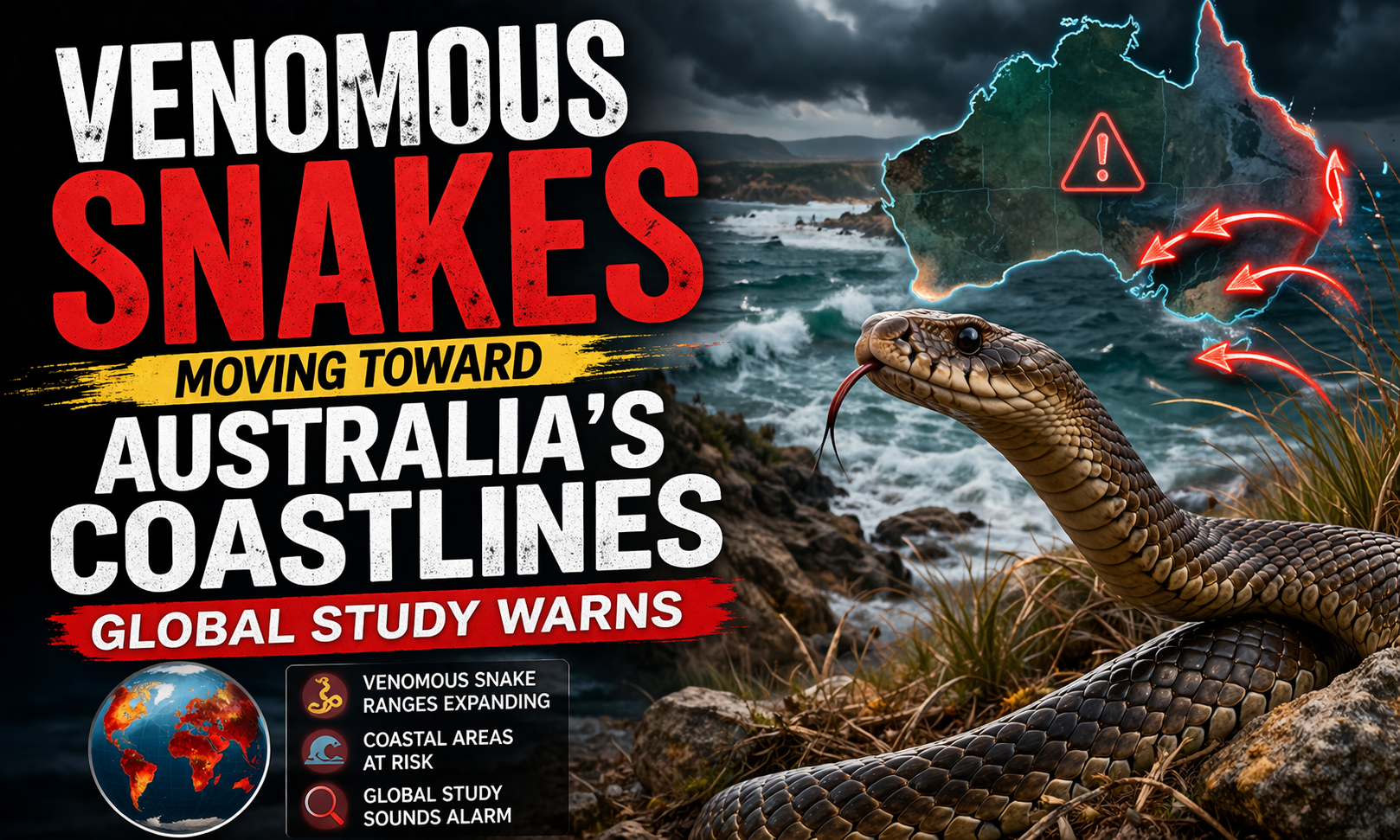
A Shocking Shift in Snake Habitats
A recent global report has raised alarm bells by revealing that highly venomous snakes are increasingly migrating toward Australia’s densely populated coastal regions. This shift, driven largely by environmental changes and human activity, could significantly alter the relationship between humans and wildlife across the country.
Australia is already home to some of the world’s most dangerous snake species, and this new trend suggests that encounters between humans and snakes may become more frequent in the years ahead. For residents, authorities, and environmental experts, the findings highlight the urgent need for awareness, preparedness, and proactive management.
Why Are Venomous Snakes Moving Toward Coastal Areas?
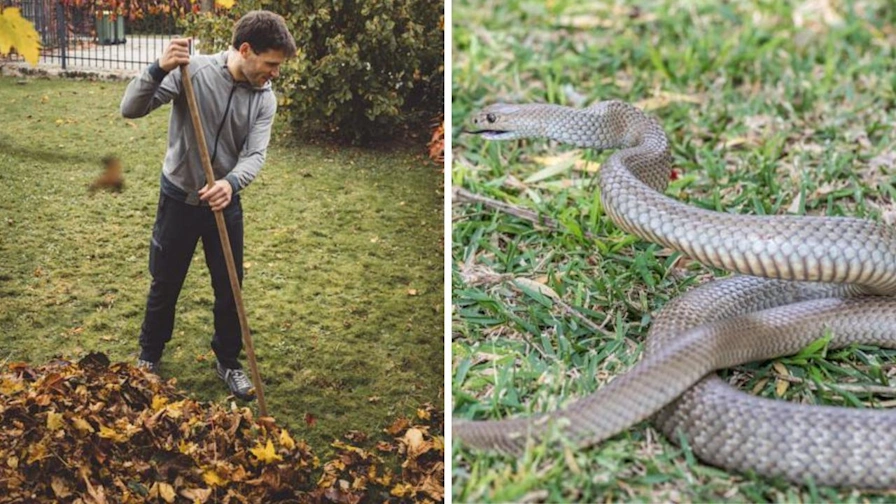
The migration of venomous snakes is not random—it is influenced by several interconnected factors.
Climate Change and Rising Temperatures
Changes in climate patterns are forcing snakes to adapt to new environments. As inland areas become hotter and drier, many species are moving toward cooler, more stable coastal climates.
Habitat Loss and Urban Expansion
Urban development has significantly altered natural habitats. As forests and bushlands are cleared, snakes are pushed into new areas, including suburban and coastal regions.
Availability of Food Sources
Coastal areas often provide abundant prey, such as rodents and small animals, making them attractive environments for snakes.
Snake Species Most Likely to Be Affected
Australia is home to numerous venomous snake species, some of which are already found near populated areas.
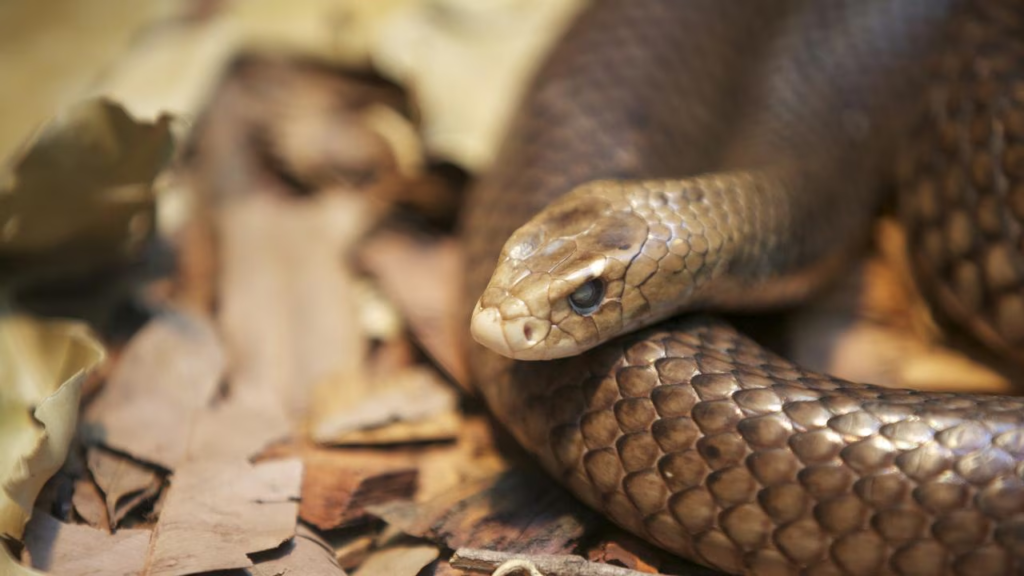
Eastern Brown Snake
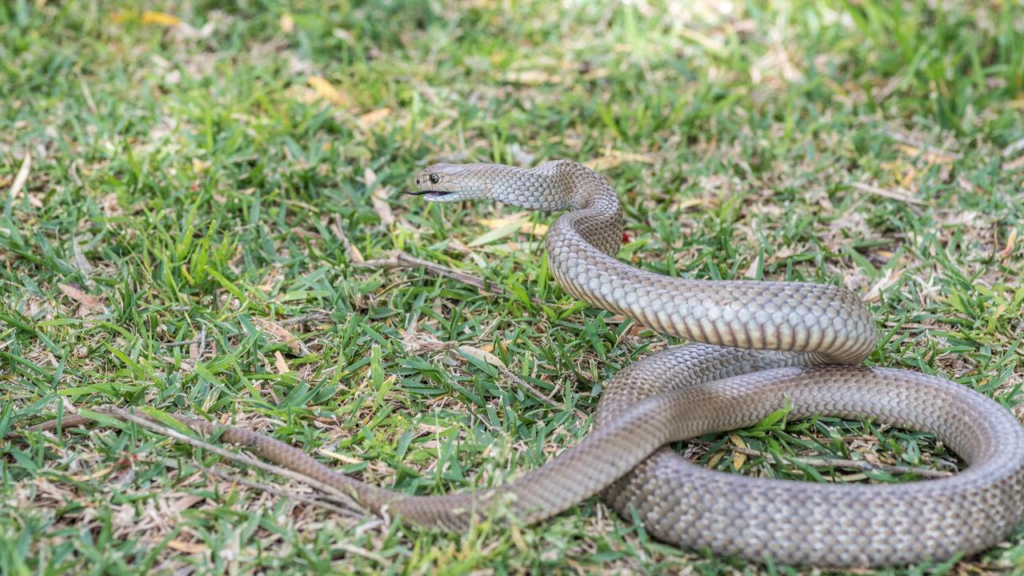
The Eastern Brown Snake is one of the most dangerous snakes in Australia and is known for its adaptability to urban environments.
Coastal Taipan
The Coastal Taipan is another highly venomous species that may increasingly appear in coastal regions.
Tiger Snake
The Tiger Snake is commonly found near water sources and could expand its range further into populated coastal zones.
What the Global Report Reveals
The report highlights several concerning trends:
- Increased snake sightings in coastal suburbs
- Expansion of snake habitats due to climate shifts
- Greater overlap between human populations and snake territories
These findings suggest that the issue is not limited to isolated areas but is part of a broader global pattern affecting wildlife distribution.
Impact on Coastal Communities
Increased Risk of Encounters
As snakes move closer to populated areas, the likelihood of human-snake encounters rises significantly.
Public Safety Concerns
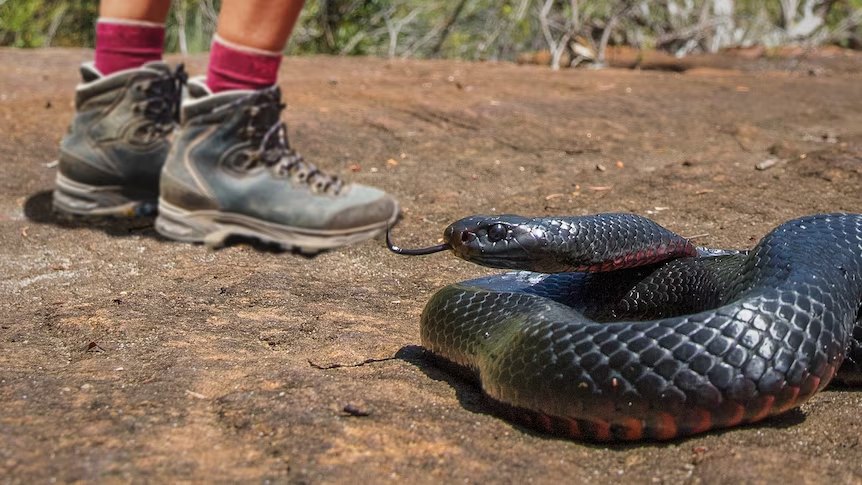
Venomous snake bites, while relatively rare, can be life-threatening and require immediate medical attention.
Pressure on Emergency Services
An increase in snake sightings may place additional strain on wildlife control and emergency response teams.
How Dangerous Are These Snakes?
Australia is known for having some of the most venomous snakes in the world. However, it’s important to understand that:
- Most snakes avoid human interaction
- Bites typically occur when snakes feel threatened
- With proper medical care, survival rates are high
Despite this, awareness and caution remain essential.
Expert Insights: What Scientists Are Saying
Environmental experts emphasize that this migration is a natural response to changing conditions.
Adaptation and Survival
Snakes are highly adaptable creatures, capable of adjusting to new environments when necessary.
Long-Term Implications
If current trends continue, coastal regions could see a permanent increase in snake populations.
Need for Monitoring
Ongoing research and monitoring will be crucial to understanding and managing this shift.
Safety Tips: How to Protect Yourself
Around the Home
- Keep yards clean and free of debris
- Seal gaps in fences and buildings
- Control rodent populations
When Outdoors
- Wear protective footwear
- Stay on clear paths
- Avoid tall grass and dense vegetation
If You Encounter a Snake
- Remain calm and keep your distance
- Do not attempt to handle or kill the snake
- Contact local wildlife authorities if necessary
What to Do in Case of a Snake Bite
Immediate Steps
- Stay calm and limit movement
- Apply a pressure immobilization bandage
- Call emergency services immediately
Avoid Common Mistakes
- Do not wash the bite
- Do not attempt to suck out venom
- Do not apply a tourniquet
Prompt medical attention is critical.
Environmental and Ecological Implications
The migration of snakes also has broader ecological consequences.
Balance of Ecosystems
Snakes play a vital role in controlling pest populations and maintaining ecological balance.
Impact on Biodiversity
Changes in snake distribution may affect other species and ecosystems.
Government and Community Response
Authorities are increasingly aware of the issue and are taking steps to address it.
Public Awareness Campaigns
Educational initiatives aim to inform residents about snake safety and prevention.
Wildlife Management Programs
Efforts are being made to monitor snake populations and manage risks.
Debunking Common Myths About Snakes
“All snakes are aggressive”
Most snakes are not aggressive and prefer to avoid humans.
“Snakes chase people”
Snakes do not chase humans; they may appear to move in the same direction while seeking escape.
“Killing snakes is the solution”
Snakes are protected in many areas, and killing them can disrupt ecosystems.
How Climate Change Is Reshaping Wildlife Patterns
The movement of venomous snakes is part of a larger trend affecting wildlife worldwide.
Shifting Habitats
Many species are relocating in response to environmental changes.
Increased Human-Wildlife Interaction
As habitats overlap, encounters between humans and wildlife become more common.
Preparing for the Future
Community Awareness
Education and awareness will be key in reducing risks.
Infrastructure Planning
Urban planning may need to consider wildlife movement patterns.
Continued Research
Ongoing studies will help predict and manage future changes.
Conclusion: A Growing Challenge for Coastal Australia
The migration of highly venomous snakes toward Australia’s densely populated coastlines presents both challenges and opportunities. While the risks are real, they can be managed through awareness, preparation, and responsible coexistence.
As environmental conditions continue to evolve, so too must our approach to living alongside wildlife. By understanding the factors driving this change and taking proactive steps, communities can adapt and ensure safety while preserving the delicate balance of nature.
This global report serves as a reminder that the natural world is constantly changing—and that humans must remain informed and prepared to navigate these changes responsibly.
FAQs
Why are venomous snakes moving toward Australia’s coastlines?
Venomous snakes are shifting toward coastal areas mainly due to climate change, habitat loss, and better access to food sources. Cooler and more stable coastal climates are becoming more suitable for their survival.
Which venomous snakes are most likely to appear in coastal areas?
Some of the key species include the Eastern Brown Snake, Coastal Taipan, and Tiger Snake, all of which are highly venomous and adaptable.
Are snake encounters becoming more common in Australia?
Yes, reports suggest that sightings are increasing, particularly in suburban and coastal regions, as human populations expand into natural habitats.
How dangerous are these snakes to humans?
While these snakes are highly venomous, they generally avoid humans. Most bites occur when snakes feel threatened. With prompt medical treatment, survival rates are high.