
A Developing Weather Threat
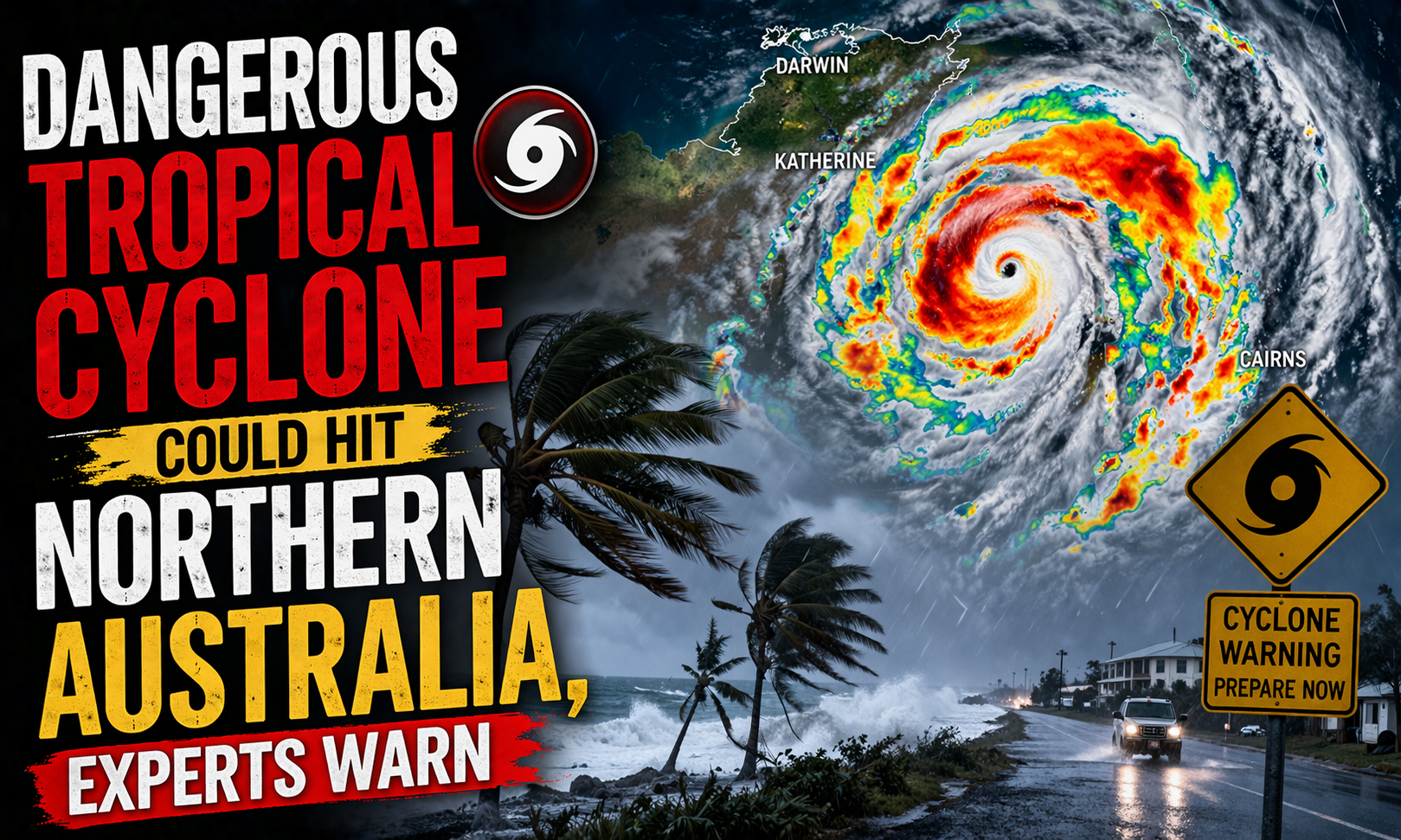
Meteorologists are closely monitoring a developing system that could intensify into a severe tropical cyclone threatening parts of northern Australia. Early forecasts indicate that the system may bring heavy rainfall, strong winds, and dangerous coastal conditions in the coming days.
Communities across northern regions are being urged to stay informed and begin preparations as authorities track the cyclone’s path and intensity.
What Is a Tropical Cyclone?
Understanding the Basics
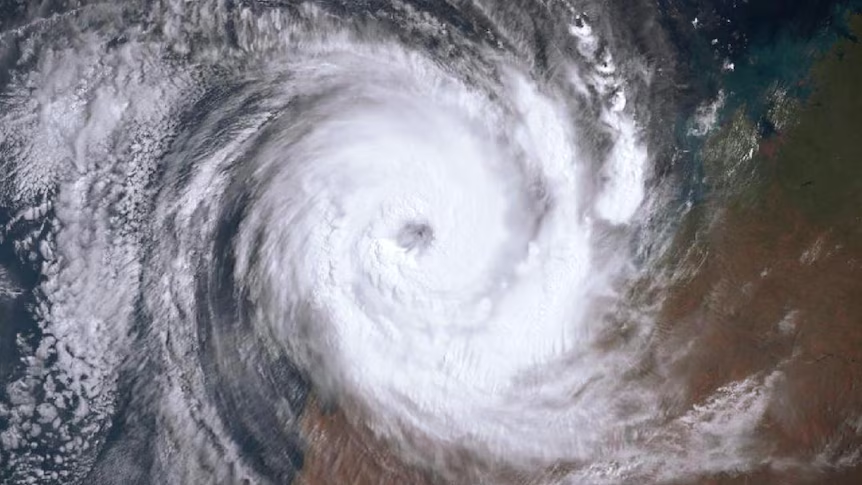
A tropical cyclone is a rapidly rotating storm system characterized by:
- Strong winds
- Heavy rainfall
- Low-pressure center
In the Southern Hemisphere, these storms are referred to as cyclones and can cause widespread damage when they make landfall.
Cyclone Season in Australia
Northern Australia typically experiences cyclone season between November and April, with peak activity during the warmer months.
Where Is the Cyclone Forming?
Current Location and Movement
The developing system is forming over warm ocean waters north of Australia, where conditions are favorable for rapid intensification.
Potential Path
While the exact track remains uncertain, early models suggest it could move toward coastal regions in northern Australia, including parts of:
- Queensland
- Northern Territory
- Western Australia
Why This Cyclone Could Be Severe
Warm Ocean Temperatures
High sea surface temperatures provide the energy needed for cyclones to strengthen.
Favorable Atmospheric Conditions
Low wind shear and high humidity levels are creating an environment conducive to cyclone development.
Rapid Intensification Risk
Experts warn that the system could intensify quickly, leaving limited time for preparation.
Expected Impacts
Heavy Rainfall and Flooding
The cyclone is expected to bring intense rainfall, increasing the risk of:
- Flash flooding
- River flooding
- Landslides in vulnerable areas
Damaging Winds
Strong winds could cause:
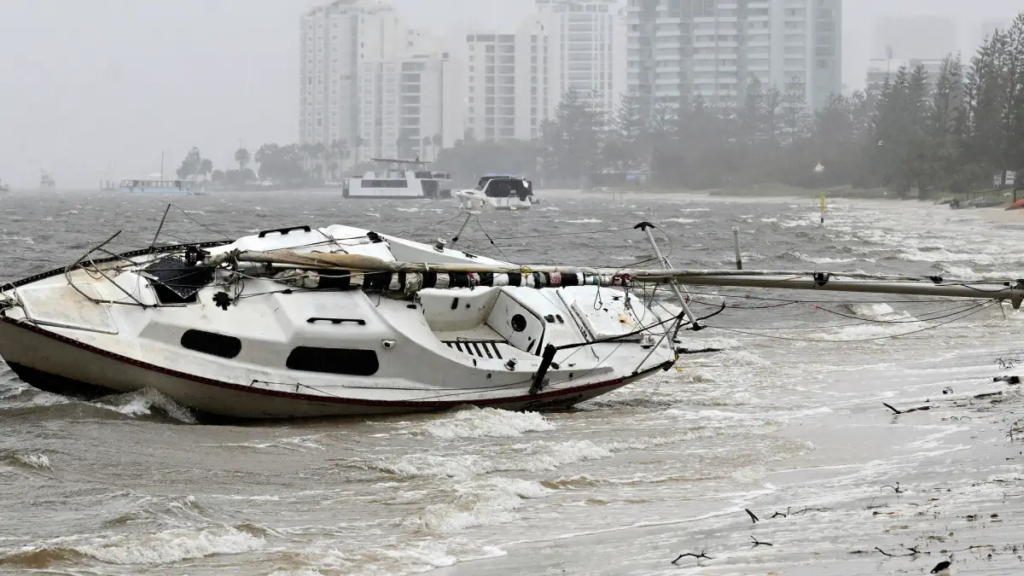
- Structural damage to buildings
- Fallen trees and power lines
- Disruptions to transportation
Coastal Hazards
Communities near the coast may face:
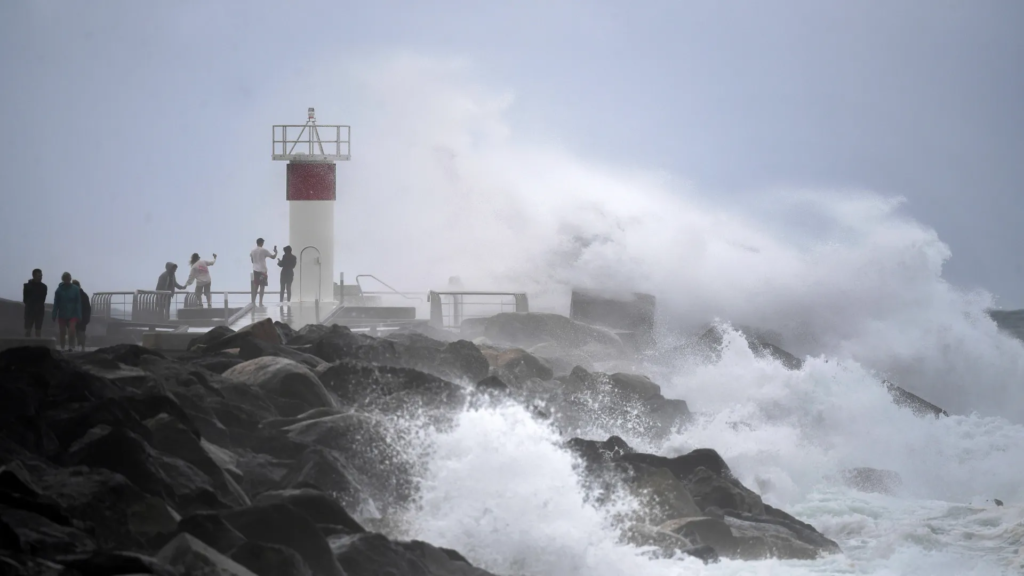
- Storm surges
- Coastal erosion
- Dangerous surf conditions
Regions Most at Risk
Northern Queensland
Parts of Queensland could experience heavy rainfall and strong winds, particularly in coastal areas.
Northern Territory
The Northern Territory may face flooding and infrastructure disruptions.
Western Australia
Northern regions of Western Australia could also be impacted depending on the cyclone’s path.
Government and Emergency Response
Early Warnings Issued
Authorities in Australia have begun issuing warnings and advisories to affected communities.
Emergency Services on Alert
Emergency services are preparing for potential evacuations, rescues, and disaster response operations.
Community Preparedness Campaigns
Public awareness campaigns are encouraging residents to take precautionary measures.
How to Prepare for a Cyclone
Secure Your Property
- Reinforce doors and windows
- Remove loose outdoor items
- Trim trees and branches
Prepare an Emergency Kit
Include:
- Non-perishable food
- Drinking water
- First aid supplies
- Flashlights and batteries
Stay Informed
Monitor updates from weather authorities and local news sources.
Safety Tips During the Cyclone
Stay Indoors
Remain inside a secure building and avoid windows during strong winds.
Avoid Floodwaters
Do not attempt to walk or drive through flooded areas.
Follow Official Advice
Adhere to evacuation orders and safety instructions from authorities.
After the Cyclone: What to Expect
Assessing Damage
Communities may face:
- Property damage
- Power outages
- Disrupted services
Recovery Efforts
Emergency services and local authorities will focus on:
- Restoring infrastructure
- Providing assistance to affected residents
Climate Change and Cyclone Intensity
Increasing Storm Strength
Scientists suggest that climate change may contribute to more intense cyclones.
Rising Sea Levels
Higher sea levels can amplify storm surges and coastal flooding.
Lessons from Past Cyclones
Importance of Preparedness
Previous cyclones have shown that early preparation can significantly reduce risks.
Community Resilience
Strong community networks play a vital role in recovery efforts.
What Experts Are Saying
Meteorologists emphasize the importance of vigilance as the situation develops.
Uncertainty Remains
While forecasts provide guidance, cyclone paths can change rapidly.
Need for Readiness
Experts urge residents not to wait until the last minute to prepare.
Economic and Environmental Impact
Potential Costs
Cyclones can cause significant economic damage, affecting businesses and infrastructure.
Environmental Effects
Storms can impact ecosystems, including coastal habitats and wildlife.
Staying Updated
Reliable Sources
Residents should rely on official weather agencies and emergency services for updates.
Avoiding Misinformation
Verify information before sharing to prevent confusion and panic.
Conclusion: Preparing for the Unknown
The looming threat of a severe tropical cyclone in northern Australia serves as a reminder of the power of nature and the importance of preparedness.
While the exact path and intensity of the storm remain uncertain, taking early precautions can make a significant difference in ensuring safety and minimizing damage.
As authorities continue to monitor the situation, residents are encouraged to stay informed, remain vigilant, and prioritize safety above all else. In the face of potential danger, preparation and awareness are the most effective tools for protecting lives and communities.
FAQs
Where is the new tropical cyclone forming?
The developing system is forming over warm ocean waters north of Australia, where conditions are favorable for cyclone development.
Which areas of Australia could be affected?
Regions most at risk include parts of Queensland, Northern Territory, and Western Australia.
Why is this cyclone considered potentially severe?
The cyclone could intensify due to warm sea temperatures, low wind shear, and favorable atmospheric conditions, increasing the risk of strong winds and heavy rainfall.
When is cyclone season in Australia?
Cyclone season in Australia typically runs from November to April, with peak activity during the summer months.