
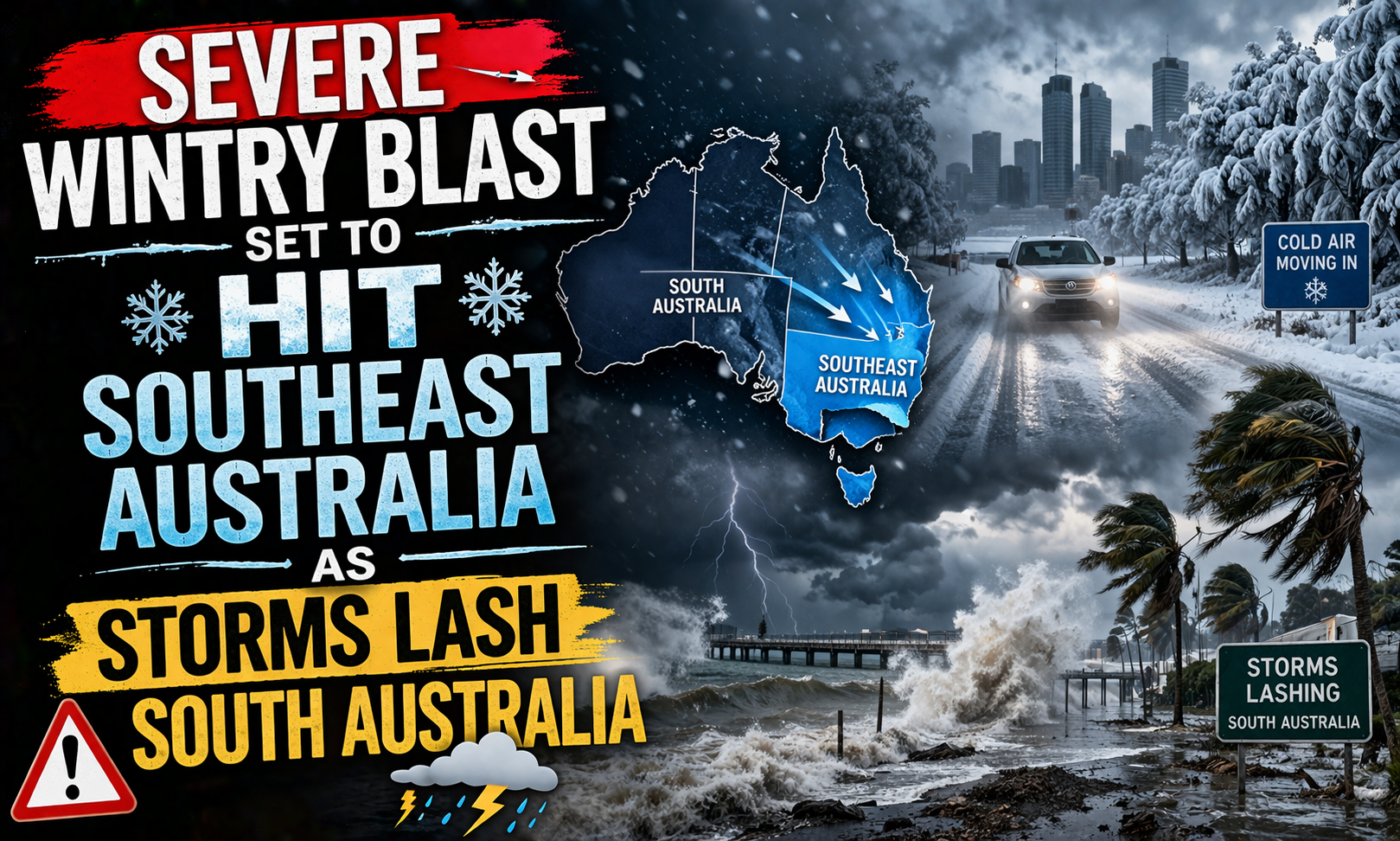
A powerful wave of cold weather is set to grip southeastern Australia, bringing heavy rain, strong winds, and plunging temperatures. As storms lash parts of South Australia, meteorologists are warning of a significant “wintry blast” that could impact millions of residents across the region.
From travel disruptions to power outages and hazardous conditions, this weather system is shaping up to be one of the most notable seasonal events. In this SEO-optimized, in-depth article, we break down what’s happening, why it matters, and how people can prepare.
What Is Causing the Wintry Blast?
The current weather event is being driven by a strong cold front moving across southern parts of Australia. This system is pulling icy air from the Southern Ocean, leading to a sudden drop in temperatures.
Key Weather Drivers:
- Cold air masses from the south
- Low-pressure systems intensifying storms
- Moisture-laden winds bringing heavy rainfall
This combination is creating the perfect conditions for severe weather across southeastern regions.
Storms Batter South Australia
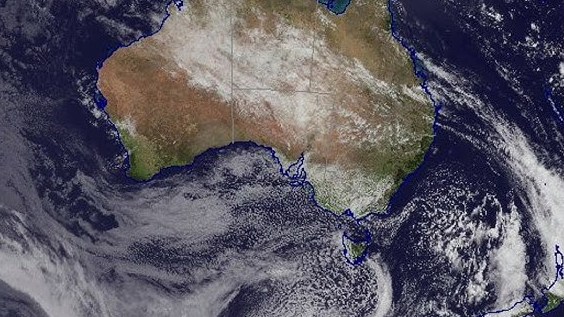
Parts of South Australia have already begun experiencing the impact of this weather system.
Conditions Reported:
- Heavy rainfall and thunderstorms
- Damaging winds in coastal and inland areas
- Localized flooding in low-lying regions
Residents have been urged to stay alert as conditions can change rapidly.
Regions Most Affected by the Cold Snap
While South Australia is currently at the center of the storm activity, the wintry blast is expected to spread across southeastern Australia.
Likely Impacted Areas:
- Victoria
- New South Wales
- Tasmania
These regions could experience colder-than-average temperatures, rain, and strong winds in the coming days.
Temperature Drop and Snowfall Possibilities
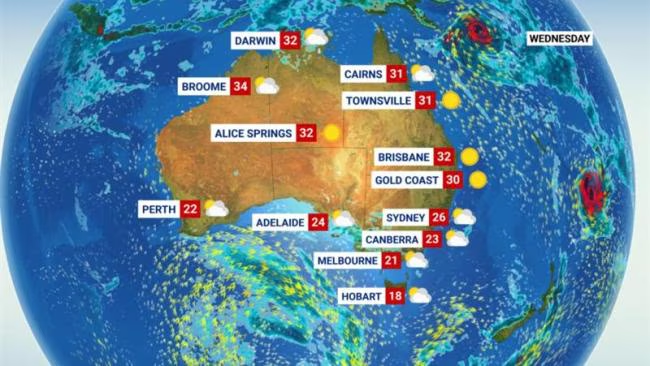
One of the most notable aspects of this weather system is the sharp drop in temperatures.
What to Expect:
- Daytime temperatures falling significantly
- Chilly overnight conditions
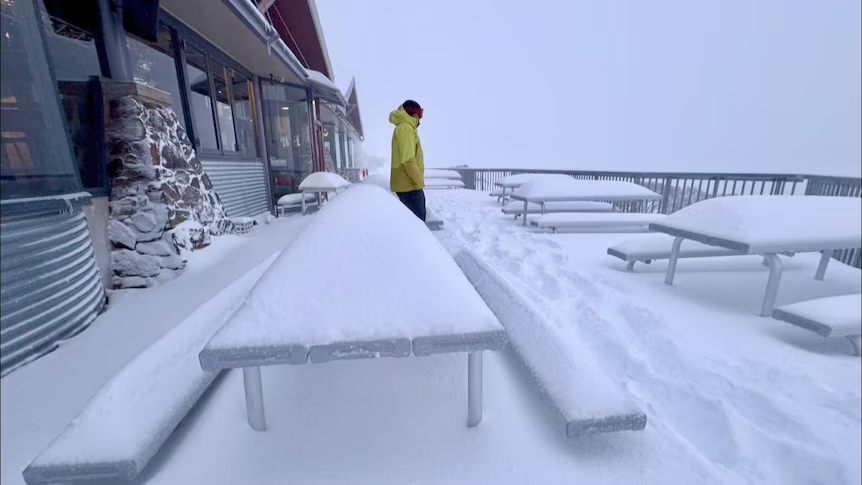
- Possible snowfall in alpine regions
Higher elevations in Victoria and Tasmania may even see early-season snow.
Impact on Daily Life and Travel
Severe weather events like this can disrupt everyday activities.
Potential Disruptions:
- Flight delays and cancellations
- Road closures due to flooding or debris
- Public transport delays
Drivers are advised to exercise caution, especially during heavy rain and strong winds.
Risk of Flooding and Property Damage
Heavy rainfall increases the risk of flooding, particularly in vulnerable areas.
Key Concerns:
- Overflowing rivers and drainage systems
- Damage to homes and infrastructure
- Fallen trees due to strong winds
Emergency services in South Australia are on high alert.
How Authorities Are Responding
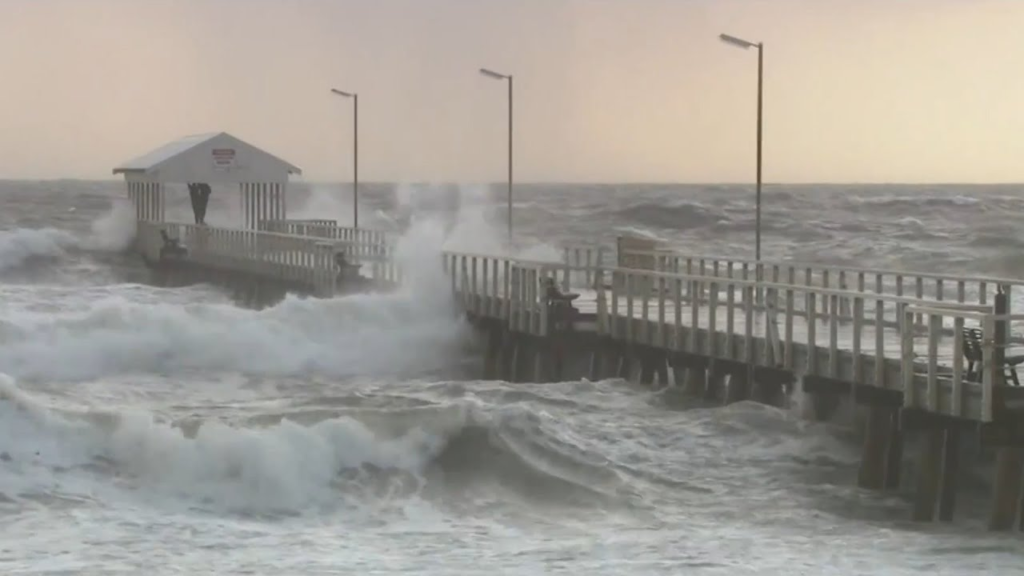
Government agencies and emergency services across Australia are actively monitoring the situation.
Measures Being Taken:
- Issuing weather warnings and alerts
- Preparing emergency response teams
- Advising residents on safety precautions
Timely updates are being shared to keep the public informed.
Safety Tips During the Wintry Blast
Residents in affected areas should take precautions to stay safe.
Essential Safety Tips:
- Stay indoors during severe storms
- Avoid flooded roads and low-lying areas
- Secure loose outdoor items
- Keep emergency kits ready
Preparedness can significantly reduce risks during extreme weather.
Impact on Agriculture and Livestock
The sudden cold snap and storms could have serious implications for agriculture.
Possible Effects:
- Damage to crops due to heavy rain and wind
- Stress on livestock from cold conditions
- Disruptions to farming activities
Farmers across South Australia and neighboring regions are being advised to take protective measures.
Energy Demand and Power Outages
Cold weather often leads to increased energy usage.
Key Issues:
- Higher demand for heating
- Risk of power outages due to storm damage
- Strain on energy infrastructure
Residents are encouraged to conserve energy where possible and prepare for outages.
Climate Patterns Behind Extreme Weather
This wintry blast is part of broader climate patterns affecting Australia.
Contributing Factors:
- Seasonal transitions
- Ocean temperature variations
- Atmospheric pressure changes
Understanding these patterns helps meteorologists predict such events more accurately.
Comparison with Previous Weather Events
Australia has experienced similar cold snaps in the past, but each event has unique characteristics.
Notable Differences:
- Timing within the season
- Intensity of storms
- Geographic spread
This particular system stands out due to its combination of strong winds and widespread rainfall.
What Experts Are Saying
Weather experts are closely monitoring the situation and providing updates.
Key Insights:
- The system may intensify as it moves east
- Conditions could remain unstable for several days
- Residents should stay informed through official channels
Their advice underscores the importance of preparedness.
What Happens Next?
The weather system is expected to move eastward, impacting more regions over time.
Short-Term Forecast:
- Continued storms in South Australia
- Increasing impact in Victoria and New South Wales
- Gradual easing later in the week
However, forecasts may change depending on atmospheric conditions.
Long-Term Outlook for Southeastern Australia
While this wintry blast is temporary, it signals the approach of colder months.
Seasonal Expectations:
- More frequent cold fronts
- Increased rainfall in some regions
- Potential for additional extreme weather events
Residents should be prepared for a dynamic weather season ahead.
Conclusion: Stay Prepared as Conditions Evolve
The wintry blast sweeping across southeastern Australia serves as a reminder of how quickly weather conditions can change. With storms already impacting South Australia and colder temperatures on the way, preparedness is key.
By staying informed, following safety guidelines, and taking necessary precautions, residents can navigate this challenging weather event safely.
As the situation continues to develop, authorities and meteorologists will provide updates to help communities stay ahead of the storm.
FAQs
What is causing the wintry blast in southeastern Australia?
The wintry blast is caused by a strong cold front moving from the Southern Ocean, bringing cold air, heavy rain, and strong winds across southeastern regions.
Which areas are most affected by the storms?
The storms are currently impacting South Australia and are expected to spread to Victoria, New South Wales, and Tasmania.
Is snowfall expected during this weather event?
Yes, there is a possibility of snowfall in alpine regions, particularly in parts of Victoria and Tasmania.
Is there a risk of flooding?
Yes, heavy rainfall could cause localized flooding, especially in low-lying areas and regions with poor drainage in South Australia.