
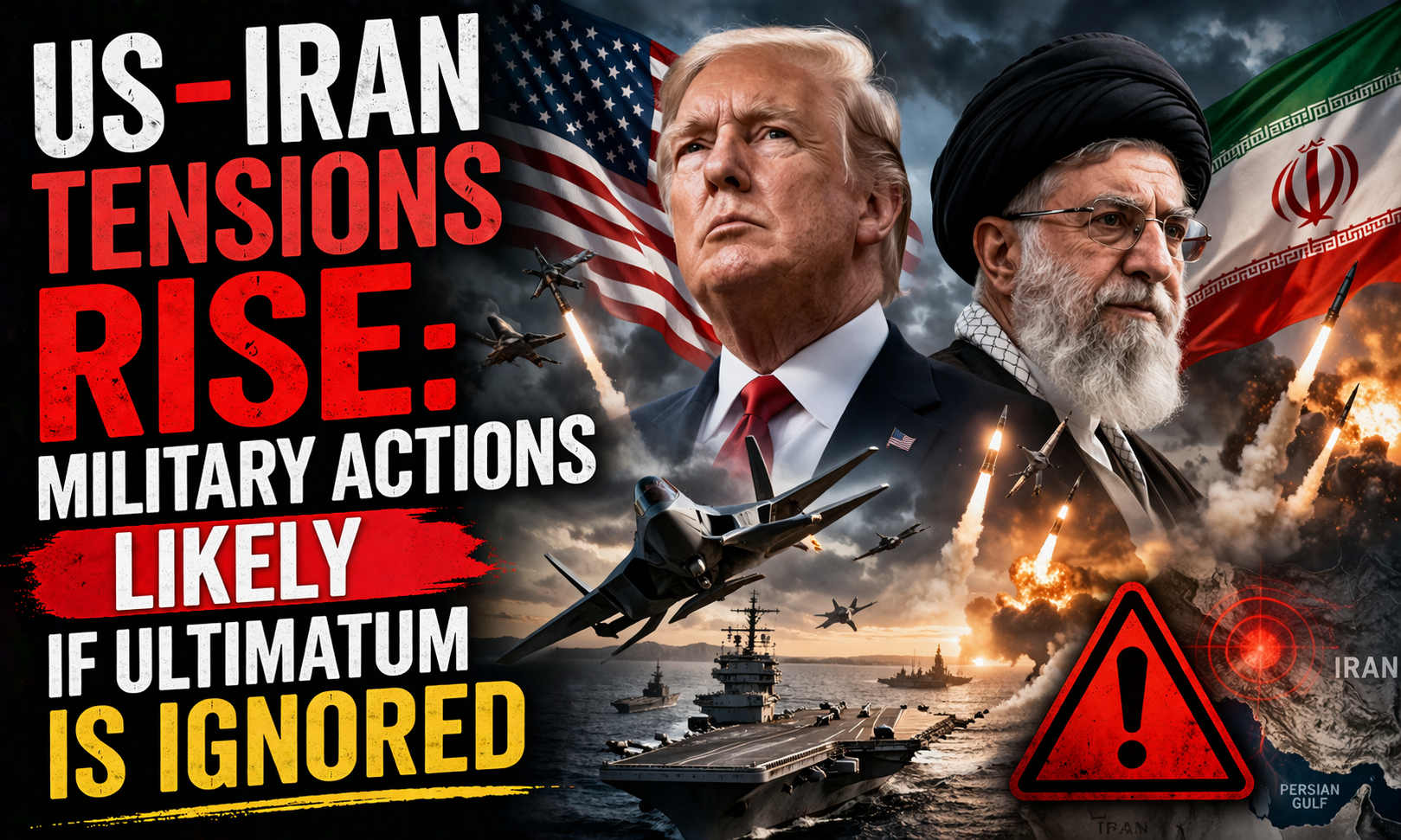
The escalating tensions between the United States and Iran have once again placed the Middle East on the brink of a major conflict. Following a firm ultimatum issued by former U.S. President Donald Trump, the world is watching closely to see what happens next. The warning was clear: comply with U.S. demands—particularly reopening the Strait of Hormuz and addressing nuclear concerns—or face severe military consequences.
While a temporary ceasefire has paused immediate escalation, the possibility of renewed conflict remains very real. If Iran fails to meet the ultimatum, what could the U.S. military actually do? This in-depth article explores potential military strategies, scenarios, global consequences, and what it could mean for the future of the Middle East.
Understanding Trump’s Ultimatum to Iran
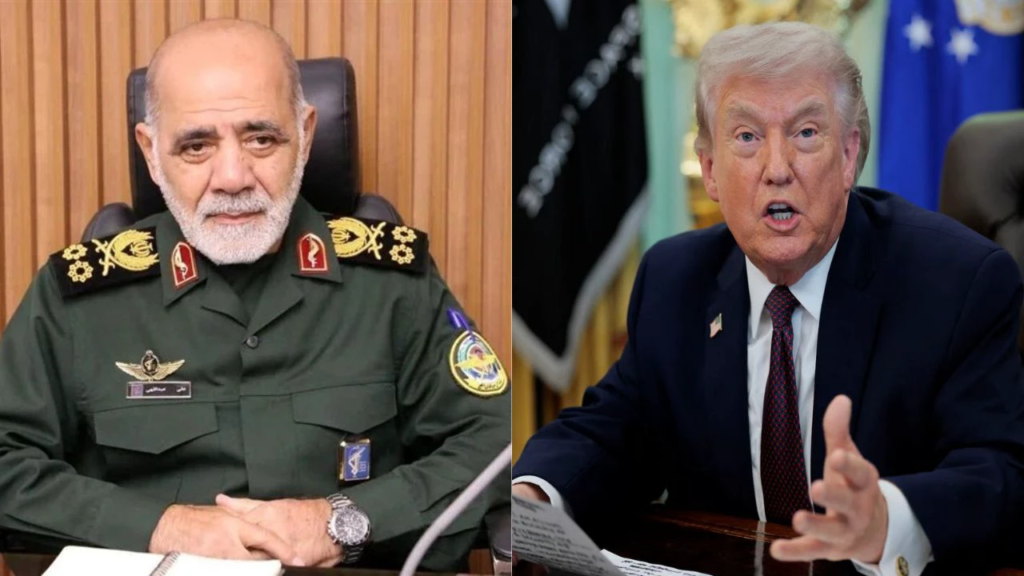
The ultimatum reportedly included key demands such as reopening the Strait of Hormuz and engaging in broader negotiations over Iran’s nuclear program. Failure to comply, Trump warned, could result in devastating military action targeting Iran’s infrastructure. (euronews)
At one point, Trump threatened to “destroy power plants, bridges, and key infrastructure,” signaling a willingness to escalate far beyond limited strikes. (Business Standard)
This kind of rhetoric reflects a strategy of maximum pressure, combining military threats with diplomatic leverage.
Why the Strait of Hormuz Is Central to the Conflict
The Strait of Hormuz is one of the most critical chokepoints in global energy supply. A significant portion of the world’s oil passes through this narrow waterway.
- Any disruption impacts global oil prices
- It affects economies worldwide, including India
- It is a strategic military hotspot
The ultimatum’s focus on reopening the strait highlights its importance not just regionally, but globally.
Possible US Military Responses if Iran Refuses
If Iran fails to comply, the United States has several military options. These range from limited strikes to full-scale war.
1. Targeted Airstrikes on Military Infrastructure
One of the most likely initial responses would be precision airstrikes targeting:
- Missile bases
- Military command centers
- Naval facilities
Recent reports indicate that the U.S. has already conducted limited strikes on Iranian military targets, signaling its readiness to act. (Reuters)
These strikes would aim to weaken Iran’s military capabilities without triggering a full-scale invasion.
2. Destruction of Critical Infrastructure
Trump has explicitly threatened to target Iran’s infrastructure, including:
- Power plants
- Bridges
- Energy facilities
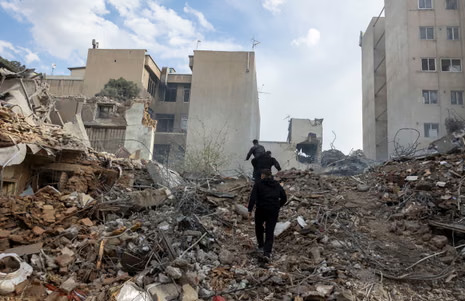
Such actions could severely disrupt Iran’s economy and daily life. However, this approach carries significant risks, including humanitarian consequences and international backlash.
3. Naval Blockade and Maritime Control
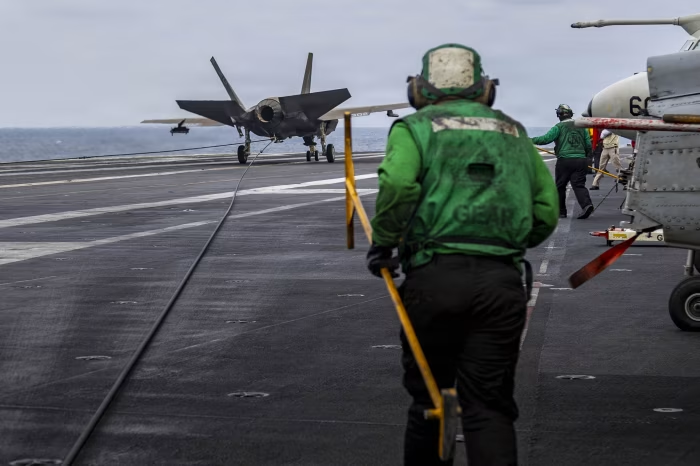
The U.S. Navy could impose a naval blockade to control shipping routes in the Persian Gulf.
This could involve:
- Securing the Strait of Hormuz
- Intercepting Iranian vessels
- Protecting oil tankers
A blockade would put immense economic pressure on Iran while minimizing direct confrontation on land.
4. Cyber Warfare Operations
Modern warfare increasingly includes cyber capabilities. The U.S. could launch cyberattacks to:
- Disrupt Iranian communication systems
- Target financial networks
- Disable military command structures
Cyber warfare offers a way to inflict damage without immediate physical destruction, making it an attractive option.
5. Expansion of Regional Military Presence
The U.S. has already increased its military presence in the region, including deploying warships and troops. (EL PAÍS English)
If the ultimatum fails, this buildup could lead to:
- Larger troop deployments
- Forward operating bases
- Increased coordination with allies
6. Full-Scale Military Campaign
In the most extreme scenario, the U.S. could launch a comprehensive military operation involving:
- Air, sea, and ground forces
- Long-term occupation or regime change efforts
However, experts widely agree that such a move would be costly, complex, and unpredictable.
How Iran Might Respond
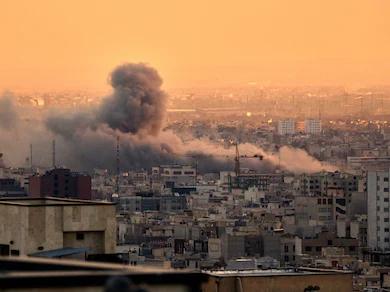
Iran has made it clear that it will not back down easily. Officials have warned of severe retaliation if attacked.
Possible responses include:
- Missile strikes on U.S. bases
- Attacks on allied nations
- Disruption of global oil supply
- Escalation through proxy groups
Iran has already rejected previous ultimatums, calling them unacceptable and warning of serious consequences. (Business Standard)
Risks of a Wider Middle East War
A direct conflict between the U.S. and Iran could quickly expand into a broader regional war.
Potential consequences include:
- Involvement of neighboring countries
- Increased tensions with Israel and Gulf nations
- Escalation of proxy conflicts in Syria, Iraq, and Lebanon
The Middle East’s fragile balance makes any escalation highly dangerous.
Economic Impact of Military Escalation
1. Surge in Oil Prices
Any disruption in the Strait of Hormuz could send oil prices soaring, affecting global markets.
2. Stock Market Volatility
Investors typically react negatively to geopolitical instability, leading to market fluctuations.
3. Impact on Global Trade
Shipping routes could be disrupted, affecting supply chains worldwide.
Diplomatic Alternatives to Military Action
Despite the threats, diplomacy remains a key option.
Recent developments show that both sides have engaged in indirect talks and even agreed to a temporary ceasefire to avoid immediate escalation. (The Guardian)
Possible diplomatic solutions include:
- Negotiated reopening of the Strait of Hormuz
- Partial lifting of sanctions
- Agreements on nuclear activity
Challenges Facing the US Military Strategy
Even with superior military power, the U.S. faces several challenges:
1. Geography and Terrain
Iran’s mountainous terrain makes ground operations difficult.
2. Asymmetric Warfare
Iran could use unconventional tactics, including guerrilla warfare and proxy forces.
3. Global Political Pressure
Military action could face opposition from allies and international organizations.
The Role of Allies and Global Powers
The U.S. is unlikely to act alone. Allies may play significant roles, including:
- Providing military support
- Offering logistical assistance
- Facilitating diplomatic efforts
At the same time, global powers like China and Russia may influence the situation through political and economic channels.
What Happens Next?
The future depends on whether Iran complies with the ultimatum or continues to resist.
Possible scenarios:
- Compliance – Leads to extended ceasefire and negotiations
- Partial compliance – Continued tension with limited conflict
- Rejection – Escalation into military confrontation
Each scenario carries different risks and opportunities.
Global Reaction and Calls for Restraint
World leaders have urged both nations to avoid escalation and prioritize diplomacy. The recent ceasefire has been widely welcomed, but concerns remain about its fragility.
There is a growing consensus that:
- Military action should be a last resort
- Long-term peace requires negotiation
- Stability in the Middle East is a global priority
Conclusion: A Critical Moment for Global Security
The U.S. ultimatum to Iran represents a निर्णायक moment in modern geopolitics. While military options remain on the table, the risks of escalation are immense.
If Iran fails to meet the demands, the U.S. military has the capability to respond in multiple ways—from targeted strikes to large-scale operations. However, each option carries significant consequences, not just for the region but for the entire world.
Ultimately, the path forward will depend on leadership decisions, diplomatic efforts, and the willingness of both sides to avoid a conflict that could reshape the global order.
FAQs
What is Trump’s ultimatum to Iran?
Trump’s ultimatum is a warning issued to Iran to comply with specific demands, such as reopening the Strait of Hormuz and addressing concerns about its nuclear program. Failure to comply could lead to military action by the United States.
Why is the ultimatum significant?
The ultimatum is significant because it raises the risk of military conflict between two major powers. It also impacts global stability, oil prices, and international relations.
What are targeted airstrikes?
Targeted airstrikes involve precision attacks on specific military or strategic locations, such as missile bases or command centers, to weaken Iran’s capabilities without launching a full-scale war.
Could the US attack Iran’s infrastructure?
Yes, one possible option includes targeting critical infrastructure like power plants, bridges, and energy facilities. However, this approach could lead to humanitarian concerns and global criticism.